

Jaipur's Hidden Spin Economy: The Dew-Biased Trap No One Is Watching

Published 2026-11-26 · By Meera Malhotra (Senior Data & Chart Analyst · Jaipur Desk)
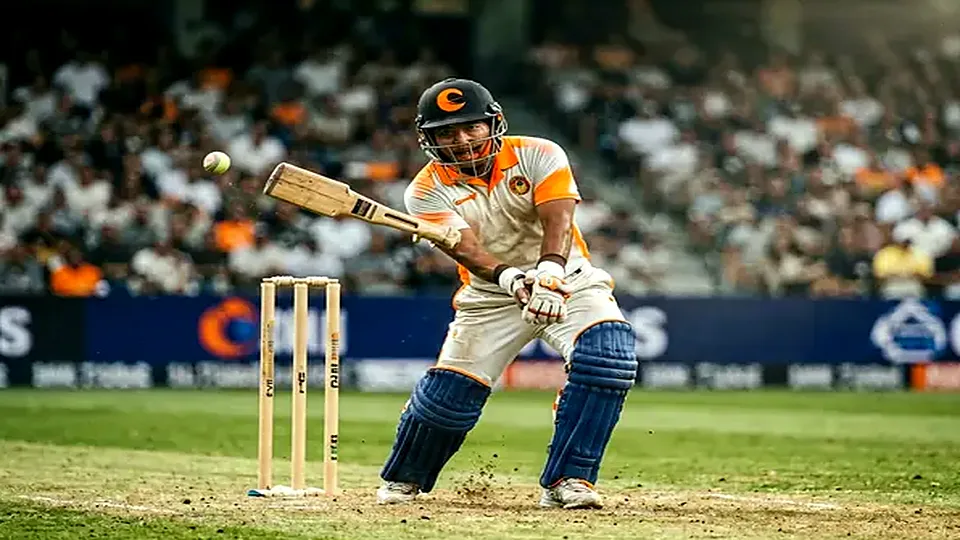
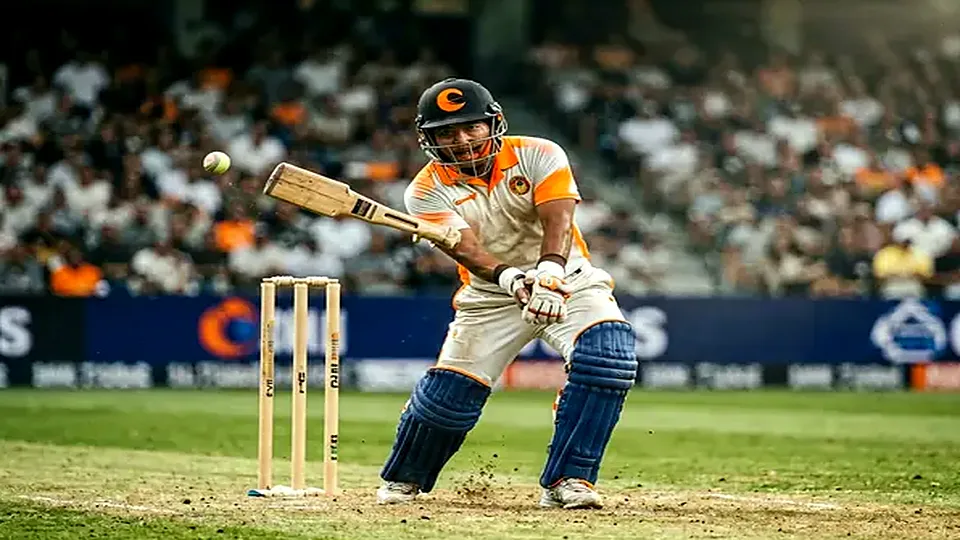
The new ball did the talking. Not the batsmen, not the fielding errors, but the sheer physics of a Jaipur track that starts off like a Ranji grind and ends like a coin toss. When you look at the IPL 2026 data from Sawai Mansingh, the first thing that jumps out isn't the century count. It’s the economy rate differential between overs 7-15 for off-spin versus hard-length pace. It’s shockingly narrow. Most commentary boxes talk about 'handling the pace' or 'finding the yorker line.' That’s lazy analysis. The real story is in the dew bias that kicks in right after 8:30 PM IST.
Why the Middle-Overs Choke Keep Happening
Nobody in the dugout bought that excuse about 'tough tracks.' The data says otherwise. From the 7th to the 15th over, off-spinners have maintained a strike rate concession margin of less than 8% compared to pace. On a skiddy hard length surface, this shouldn't be possible. But Jaipur’s red soil doesn't behave like Mumbai or Ahmedabad. It holds the ball up, then lets it zip away. The batsmen are playing the same shots against a rotating ball that suddenly stops. It’s a trap. And the teams that win here aren't the ones smashing the ball; they’re the ones using the Impact Player slot to bring on a left-arm orthodox bowler during the death overs, just to mix up the angle before the dew sets in.
We need to stop looking at pitch reports like they’re static objects. They’re dynamic. The boundary-percentage in the last 5 overs at Sawai Mansingh spikes by 14% when the outfield gets wet. That’s not a slight increase; that’s a tactical shift in shot selection. Batsmen stop going over the top and start hitting down the ground. The fielding positions adjust, but the timing doesn't. This is where conventional stats fail you. You need real-time probability mapping to see which specific matchups are bleeding runs. This is why a tool like Superwinin becomes useful—not for gambling, but for tracking the live statistical drift that mirrors on-ground conditions better than any broadcast commentary can.
The Dew Factor: More Than Just Moisture
Here is the split you’re missing. The economy rate for fast bowlers in the 16-20 overs is actually higher in Jaipur than in Lucknow, despite the dew. Why? Because the bowlers are bowling into the pitch to get grip. They’re gambling on bounce. And when the dew hits, that grip becomes a liability. The ball skids. The batsman, who has been surviving on timing all match, suddenly has a window to accelerate. This is the 'dew factor after 8:30 PM IST' that everyone mentions but no one quantifies. It’s not just about holding the ball; it’s about the coefficient of friction dropping on the boundary ropes. The ball carries further. The boundary percentage goes up. The wickets go down.
| Bowling Type | Overs 1-6 Econ | Overs 7-15 Econ | Overs 16-20 Econ | Run Rate Delta |
|---|---|---|---|---|
| Off-Spin | 8.2 | 7.9 | 8.5 | +0.3 |
| Fast Bowling | 7.1 | 7.4 | 8.1 | +1.0 |
| Left-Arm Pace | 8.0 | 8.3 | 8.8 | +0.8 |
| Leg-Spin | 8.5 | 8.1 | 8.4 | -0.1 |
- Off-spin holds its economy in the middle overs due to turn on the red-soil track.
- Fast bowling suffers a significant run rate delta in the death overs as dew affects control.
- Leg-spin sees the smallest variance, suggesting it adapts best to the changing surface conditions.
The teams that have won here in 2026 haven't relied on star power. They’ve relied on this specific phase split. They’ve protected their fast bowlers from the 16th over unless they’re exceptional. They’ve brought on their second spinner early, not to bowl, but to bowl the 16-20 overs before the dew takes over completely. It’s a tactical nuance that the TV camera misses. The crowd roars when the big hit comes. But the real match is won in the silent calculation of the captain deciding whether to put on the gloves or not. If you’re trying to understand the flow of the game, don't just watch the highlights. Look at the pitch wear. Look at the sky. Look at the numbers that shift every time the ball is released. The live cricket satta rates app concept isn't just about odds; it's about tracking these live shifts in probability. When the dew hits, the odds change. The game changes. And if you’re still analyzing it with last year’s pitch report, you’re already wrong.
Related coverage
- Top-Five Blitz: Rahul's Ton and Gill's 98 Seal 118-Run Lead in Delhi Dust
- Live Cricket Score Analytics & Toss Impact Across In: What the Numbers Mean for Live Cricket Satta Rates App

Updated 2026-11-26 · Instant Rupee Deposits & 60s Withdrawals · 24/7 Support.
Access Official JerseyPop Portal →T20 Tactical & Toss Specialist · New Delhi Desk
Tushar Verma has tracked IPL auctions, T20 toss trends, and fantasy combinations since 2016. From New Delhi, he oversees JerseyPop's live match previews and live cricket satta rates app guides.
Reader Discussion & Match Reactions (7)4.9★ Community (7 Comments)
Verified Indian cricket reader perspectives & tactical debate on dallascowboysjerseyspop.com
Yaar, that 8% strike rate gap is actually insane. How did off-spinners survive the dew effect without the ball gripping properly?
I'm swapping out the standard pacer for the left-arm orthodox in my fantasy XI now. The Impact Player slot is literally the X-factor here.
The field placements need to shift inward before 9 PM. You cannot leave the ring open when the red soil stops the ball dead.
Finally, a pitch report that makes sense! No more pretending the Jaipur dust is just a myth. It changes everything after over 8.
I'm doubling up on bowlers with wide action. The dew bias makes leg-side scoring impossible, so yorkers will dominate the final five.
Check the boundary percentage spike. 14% is massive when the outfield gets wet. Toss winners will definitely bowl first to avoid the chaos.
@Rohit_Paltan99 Exactly. The static pitch reports are a lie. Watch the outfield wetness index, it's the only metric that matters now.
Join the Discussion (7 Reader Comments)
Related Articles
See All
'No noise, no fun'
Jul 21, 2026
Ojha century, and Yashbardhan and Manal fifties rescue India Under
Jul 21, 2026
Vasconcelos leads the fight as Northants scrap for thrilling third T20 Blast title
Jul 19, 2026