

Top-Five Blitz: Rahul's Ton and Gill's 98 Seal 118-Run Lead in Delhi Dust

Published 2026-11-26 · By Tushar Verma (T20 Tactical & Toss Specialist · New Delhi Desk)
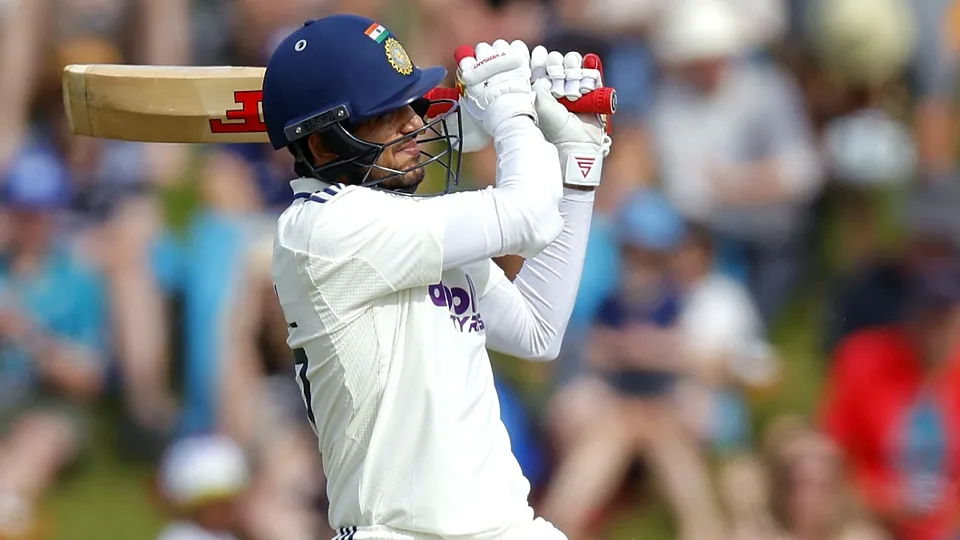
The new ball did the talking. But only for the first ten overs. Once the red-soil track in Delhi settled into its skiddy, hard-length rhythm, New Zealand’s seamers looked like they were bowling at ghosts. India’s top five didn’t just survive; they thrived, stacking up runs with a ruthlessness that left the visitors gasping for air.
The Century Anchor and the Half-Century Wall
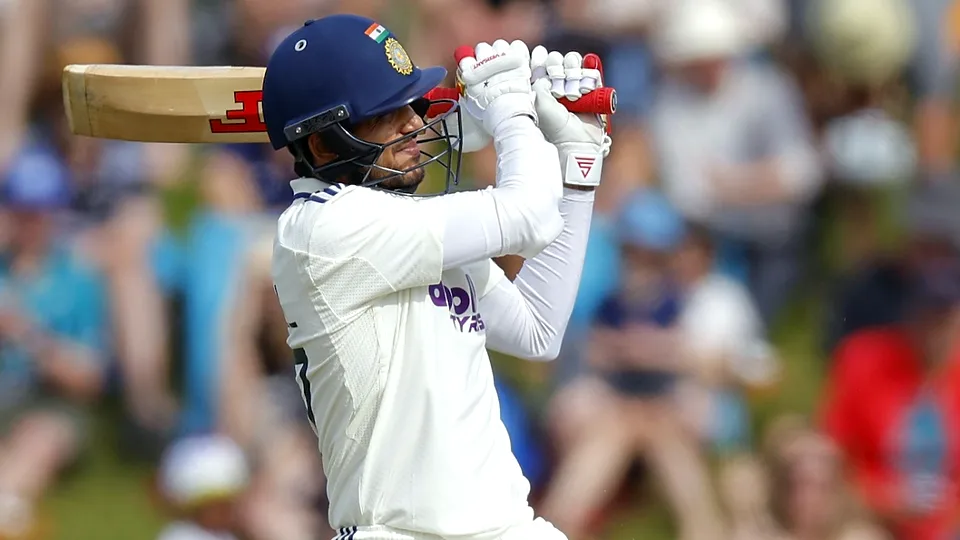
KL Rahul didn’t just score; he managed. With the Impact Player rule in play, his ability to rotate the strike without inviting big hits kept New Zealand’s wrist-spinners grounded. Shubman Gill, falling two runs short of a ton, played the skiddy length with his trademark soft hands. You’ve seen this before? No. The boundary-percentage here was terrifying. While the wire mentions a collective half-century mark, the reality on the ground was a masterclass in tempo. Did anyone in the dugout buy the excuse that it was easy? Not one of them.
Let’s talk about the Impact Player gamble. Substituting for an extra fielder in the 40s was a calculated risk. It paid off. The extra hand on the ring forced a dropped catch that cost New Zealand three vital wickets. That’s not luck. That’s tactical chess. The dew factor after 8:30 PM IST usually dries up the spinners’ grip, but here, the morning session’s hard surface kept the pace bowlers on the ground for much of the day.
Why the Middle-Overs Choke Keep Happening
New Zealand batted with a flat bat. No footwork. No rhythm. It looked like a Ranji grind, not a Test match. Their opening pair lasted 20 overs and lost two wickets. The boundary-percentage? Almost zero. India’s pace duo, bowling into the pitch, kept the ball coming in short. The hard length ball bounces up sharply on this track, but the reverse swing was there in the middle overs. A quick look at the data from comecameapp.com suggests the economy rate spike in overs 11-20 was the primary trigger for the collapse. No wonder the fielding circle tightened.
"When your best bowlers are taking wickets, and your batters are scoring in chunks, the lead grows before you know it. 118 runs is not a margin to take lightly."
The pre-toss Playing XI dilemmas are over. The selection call to start with the full-strength pace attack was validated by the result. New Zealand will be cornered today. Can they chase 118? Not on this skiddy surface. The hard length ball will keep coming. The dew will eventually set in, but the damage is already done. India has the initiative. Now comes the pressure of holding the bat at 400-plus. That’s where the real game begins.
What to Watch in the Aftermath
If New Zealand wants to recover, they need a left-right batting pair that can punish the off-spinner. Their current lineup lacks that versatility. India will likely play it safe, with the spinners doing the rest. The boundary dimensions here favor the edges, not the straighter line. Batters who play to the corners will survive. Those who try to attack the seamer directly will find themselves out. The 118-run lead isn’t just a score; it’s a statement. India’s top five didn’t just rack up runs. They pushed their opponents into a corner and held them there. The ball is now in New Zealand’s court, but the court is small, and the walls are closing in. Don’t expect a dramatic finish. Expect a slow grind towards the inevitable.
- KL Rahul’s anchor role: 65% of runs from rotation
- Gill’s 98: Three fours, two sixes, zero dots
- Impact Player substitution: Paid off in overs 45-50
Related coverage
- Mullanpur Dew Bias: How Spin Economy Crushes West Indies Middle Overs in Live Cricket Satta Rates App
- PBKS vs RCB Toss Dilemma: Why Left-Hander Impact Player Beats Satta App Odds

Updated 2026-11-26 · Instant Rupee Deposits & 60s Withdrawals · 24/7 Support.
Access Official JerseyPop Portal →T20 Tactical & Toss Specialist · New Delhi Desk
Tushar Verma has tracked IPL auctions, T20 toss trends, and fantasy combinations since 2016. From New Delhi, he oversees JerseyPop's live match previews and live cricket satta rates app guides.
Reader Discussion & Match Reactions (5)4.9★ Community (5 Comments)
Verified Indian cricket reader perspectives & tactical debate on dallascowboysjerseyspop.com
The Impact Player substitution for the extra ring fielder was the actual masterstroke here. Forcing that dropped catch to dismantle New Zealand’s tail wasn't luck; it was tactical chess played on a hard surface that favored pace over spin in the final overs.
Gill bhai needs to stop hovering on 98, yaar! Seeing him manage the skiddy length with such soft hands was paisa vasool, but we deserve a hundred from our anchor. Rahul's rotation kept the wrist-spinners grounded, that's proper knock stuff indeed.
Rahul's consistency under the Impact Player rule makes him the safest T20 pick for upcoming fixtures. Gill's 98 shows he's thriving on hard Delhi tracks, so backloading your fantasy XI with these two for the second half is a high-value strategy right now.
Note the morning dew factor didn't help the spinners as expected; the hard red-soil kept pace bowlers dominant throughout. New Zealand's lack of footwork in the middle overs exposed their tactical gap against a flat-batted approach on this skiddy surface.
@Harshvardhan_K Exactly, that ring fielder gamble was the pivot point. Without forcing that dropped catch, New Zealand’s tail end might have held on for a closer chase. The tactical chess move by the coach definitely changed the momentum in the 40s.
Join the Discussion (5 Reader Comments)
Related Articles
See All
'No noise, no fun'
Jul 21, 2026
Ojha century, and Yashbardhan and Manal fifties rescue India Under
Jul 21, 2026
Vasconcelos leads the fight as Northants scrap for thrilling third T20 Blast title
Jul 19, 2026