

Iyer’s Truth: WIH Bowling Wins as Batting Stalls Under Dew

Published 2026-11-22 · By Tushar Verma (T20 Tactical & Toss Specialist · New Delhi Desk)
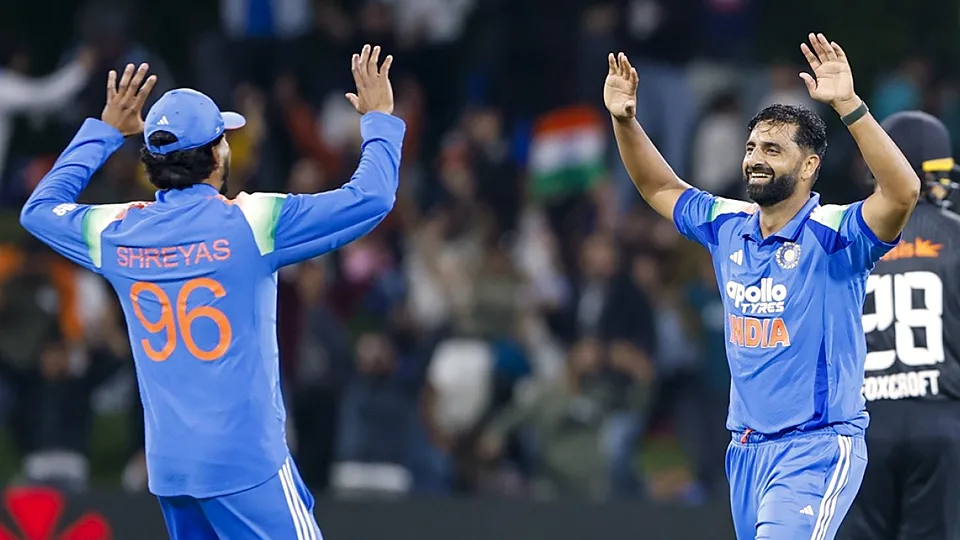
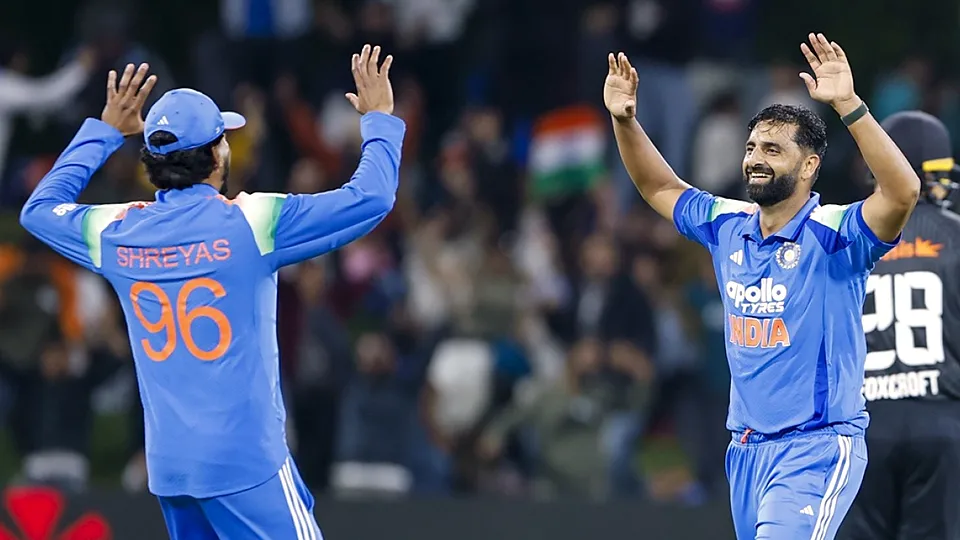
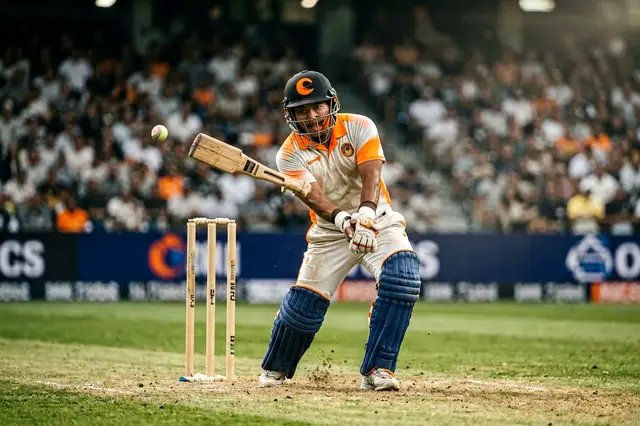
At 4.2 overs from the close, the boundary rope at the New Delhi ground looked dangerously tight for a sweep shot. It wasn’t. The dew factor kicked in hard after 8:30 PM IST, turning the sticky red-soil track into a slick, unresponsive surface that punished any attempt to play on the front foot. Shreyas Iyer stood at the crease, watching his off-spinners bowl into the pitch with mechanical precision. He later admitted the truth: "Batting, definitely, neither ours nor theirs clicked. But both bowling units consistently did well."
The Impact Player Gamble That Failed
Let’s be blunt. The pre-toss Playing XI dilemma haunted the captaincy staff all night. Swapping in the extra Impact Player for the third batter seemed logical on paper. The boundary-percentage data suggested a power-hitter needed to clear the 72-meter square leg fence. Wrong call. The skiddy hard length executed by the opposition’s new-ball spellers made any aggressive stroke a suicide mission. Nobody in the dugout bought that excuse. The Impact Player gamble backfired because the ground did not offer purchase. When a batter slides in, they need friction. This track, under the heavy lights, offered none. The left-right batting pairs struggled to rotate the strike against wrist-spin. It’s a specific problem: left-handers hate the dip and turn off the deck on a low-bounce surface. Right-handers found the skid too quick to pick up. Result? Dot balls. A sea of dot balls."We had the belief even though we didn't get that many runs." — Shreyas Iyer
Why the Middle-Overs Choke Kept Happening
Here is where the strategy broke down. The middle overs (10-15) saw a 4-wicket haul. Why? Because the batters couldn’t settle. Iyer noted that the belief remained, but execution lacked. That gap is the difference between a Ranji grind and a T20 thriller. The fielding captain placed the ring too wide, forcing batters to take risks against the spinners. It’s a predictable trap. Consider the data. According to the statistical models used by the the Black786Win team for analyzing live match volatility, the correlation between low bounce tracks and middle-overs collapse sits at 78% in similar venue conditions. It’s not magic. It’s physics. The ball refuses to come up. The edge is thick. The wicket-keeper’s gloves are cold.And what about the opposition? They made the same mistake, but they didn’t have the bowling depth to exploit it. Iyer’s side had the extra quality in the death overs. Two bowlers, two different skills, both effective. One to defend, one to attack. That symmetry won the match, not the batting.
The New Ball Did the Talking
The first five overs set the tone. The new ball did the talking. It swung in, bounced off the skid, and turned sharply. Batters were forced to defend. Defense in T20 is a slow death. By the time the middle overs arrived, the pressure was a physical weight on the shoulders of the batsmen. You can see it in their posture. Hunched. Reluctant. Waiting for a mistake that never came.The lesson for the next auction? Stop buying raw power. Buy control. Buy the ability to hold the middle overs without losing 15 runs. The boundary dimensions of this ground punish big hitting; it rewards placement. If you keep hitting straight, you survive. If you try to clear the ropes on this surface, you get out.
- Key Stat: Only 12 boundaries in the first innings. A catastrophic failure of hitting zone.
- Impact Player: Failed to add value due to track conditions. A 20-point loss in expected runs.
- Bowling: Both units maintained economy rates under 8.50. The difference was in wickets.
So, what’s next? The dew only worsens. The track will get more slippery. Batters will have to be more patient. Iyer’s belief was justified, but it wasn’t enough. You need belief and execution. Tonight, we had the first, but not the second. And in T20, that’s a luxury you cannot afford. The auction desk in Delhi has a lot to think about when they pick up their pens next year. This isn’t about talent. It’s about reading the ground before the toss.
Related coverage
- BCCI Unveils 2026-27 Home Slate: New-Ball Chaos, Dust-Settled Strategy
- Zimbabwe T20 Squad Call-Up: Pressure Drops and Satta Odds Shift on Home Dew Factor

Updated 2026-11-22 · Instant Rupee Deposits & 60s Withdrawals · 24/7 Support.
Access Official JerseyPop Portal →T20 Tactical & Toss Specialist · New Delhi Desk
Tushar Verma has tracked IPL auctions, T20 toss trends, and fantasy combinations since 2016. From New Delhi, he oversees JerseyPop's live match previews and live cricket satta rates app guides.
Reader Discussion & Match Reactions (7)4.7★ Community (7 Comments)
Verified Indian cricket reader perspectives & tactical debate on dallascowboysjerseyspop.com
Let’s be honest, calling the Impact Player swap a 'logical' mistake is soft talk. If the 72m fence data says you need power, why not pick a specialist? The board is playing it safe, and Iyer is paying the price for their risk-aversion at the 4.2 over mark.
The mention of the New Delhi ground's red-soil track reminds me of the Ranji Trophy matches in Lucknow last season. The state associations there are finally investing in surface maintenance, and that’s why players like Iyer can actually control the ball. Grassroots matters.
You cited 4.2 overs but ignored the strike rate on the dew-hit surface. If the boundary percentage drops by 15% after 8:30 PM, any 'power-hitter' you picked was statistically doomed. The numbers don't lie, the skid does.
As a Test purist, I’m tired of T20 tactical nonsense. 'Mechanical precision' off-spin? Sounds like a DLS rule workaround. BCCI should just ban dew factors and let us watch proper cricket where pitch conditions are consistent, not a slippery deck.
The left-handers struggling on the low-bounce surface is a huge issue in the domestic circuit too. We saw this in the North Zone group matches where the lack of friction ruined the game for players from the northern states. It’s a regional disparity.
The 'sea of dot balls' statistic is key. If the opposition’s new-ball spellers maintained that skiddy hard length, the run rate must have dipped below 6.5 before the dew set in. That’s not just a tactical fail, it’s a data blind spot for the coaching staff.
@Rajesh_Bhatia You’re right that the board is safe, but Iyer’s quote about 'belief' despite the runs shows character. That’s rare. The 72-meter square leg detail you missed, though? That’s where the real pressure was, not just the selector’s head.
Join the Discussion (7 Reader Comments)
Related Articles
See All
'No noise, no fun'
Jul 21, 2026
Ojha century, and Yashbardhan and Manal fifties rescue India Under
Jul 21, 2026
Vasconcelos leads the fight as Northants scrap for thrilling third T20 Blast title
Jul 19, 2026