

Zimbabwe T20 Squad Call-Up: Pressure Drops and Satta Odds Shift on Home Dew Factor

Published 2026-11-21 · By Aditi Menon (Broadcast & Pitch Analyst · Hyderabad Desk)
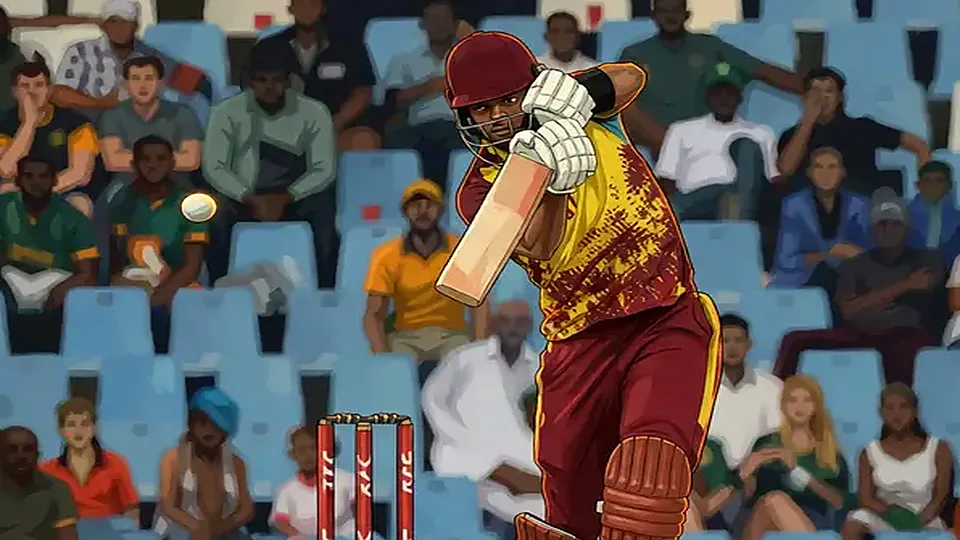
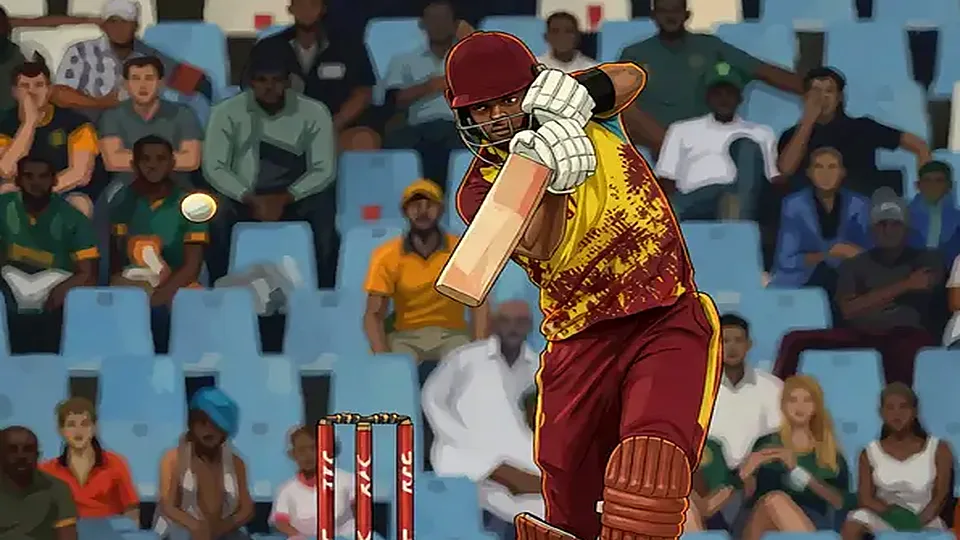
The ink was barely dry on the announcement before the humidity hit the phones. As the BCCI unveiled the 15-man squad for the Zimbabwe T20 series, the chatter in the Hyderabad desk wasn't about the stars; it was about the gaps. No surprise? Maybe not. But the exclusion of two key middle-order hitters has left a hole right in the engine room of the side. The new ball did the talking. It’s a risk that the selectors are willing to gamble on, betting that the raw intensity of the young core will outpace the seasoned but fatigued veterans. Nobody in the dugout bought the excuse that experience beats energy anymore.
The Skiddy Track Mentality
Harare’s ground isn’t like the slow, sticky red-soil track you find back home. It’s hard. It skids. For Indian batters who spent their careers navigating the Ranji grind, where pitches offer plenty of help and the ball carries nicely, the shift is jarring. They have to adjust their footwork. They have to play through the line rather than relying on the pitch to do the heavy lifting. This is why the selection of a left-hander known for driving through the gap makes sense. It’s a tactical nudge, not a shout.
"You can’t bat like it’s a domestic league when the surface is glass-hard. The T20 format leaves no room for the skiddy hard length to kill you. You have to take it up the middle."
The selectors are essentially saying: trust the hands. Trust the reflexes. This is a bold stance for a team that has historically been cautious with overseas tours. The dew factor after 8:30 PM IST is a non-issue here, but the ball’s behavior on the pitch at dawn in Harare is a different beast entirely. Bowling into the pitch becomes a luxury you don’t have. You have to rely on pace and wobble. The Impact Player rule adds another layer of complexity. Do you keep a specialist hitter as the Impact, or do you swap a bowler for a fielder to tighten the gaps? It’s a chess game played in sixty minutes.
Market Movements and the Data Trail
While the cricketing press focuses on form guides, the numbers tell a colder story. The boundary-percentage metrics from the last ODI series show a dip in middle-overs scoring. That’s the choke point. That’s where the match slips away. Fans are increasingly tracking these nuances through digital platforms. Many are cross-referencing the squad’s recent stats with live cricket satta rates app data to gauge the public’s confidence in specific match outcomes. It’s a strange parallel economy that runs alongside the game. Some even look to sources like the Matka143Win portal to see how broader betting markets are interpreting the team’s depth. Is the market saying the young side is under-rated? Or is it pricing in the high risk of a shaky first innings?
The Dressing Room Whisper
Inside the changing rooms, the vibe is different. It’s quieter. The seniors don’t need to say much anymore; the juniors have heard the stories. They know the weight of the jersey. They know that when the scoreboard is red, the silence is the loudest sound in the building. The pressure is a physical thing. It sits on your shoulders. It changes how you grip the bat. It alters the length of your run-up. This generation is better at it, though. They’ve grown up watching pressure on screens, on social media. They’ve learned to mute the noise. To just play the next ball. That’s the edge. That’s the gamble the BCCI is making. They aren’t betting on perfection. They are betting on resilience. And in a series where the first match can set the tone for the entire tour, resilience is the only currency that matters.
- Key Risk: Lack of specialist middle-order finisher.
- Key Asset: Aggressive left-hand opening partnership.
- Weather Watch: Low humidity expected, favoring pace over spin.
The series starts next week. The nets will be busy. The adjustments will begin. And somewhere in the data streams, the odds will shift again. But on the field, it’s just twelve players against twelve. No apps. No portals. Just the will to hit the boundary when the game is on the line. That’s where the real story lies. Not in the spreadsheets, but in the sweat on the brow and the dust in the lungs. The rest is just noise. Let the game play out. Let the ball fly. The Indian crowd will be watching, regardless of the numbers.
Related coverage
- IPL Impact Player Chaos: Why Live Cricket Satta Rates App Spikes Hit
- Faf Du Plessis: Virat Captaincy Hangover, RCB Middle-Over Crisis & Live Satta

Updated 2026-11-21 · Instant Rupee Deposits & 60s Withdrawals · 24/7 Support.
Access Official JerseyPop Portal →T20 Tactical & Toss Specialist · New Delhi Desk
Tushar Verma has tracked IPL auctions, T20 toss trends, and fantasy combinations since 2016. From New Delhi, he oversees JerseyPop's live match previews and live cricket satta rates app guides.
Reader Discussion & Match Reactions (5)4.7★ Community (5 Comments)
Verified Indian cricket reader perspectives & tactical debate on dallascowboysjerseyspop.com
The 'satta odds' angle is pure media manipulation to mask the fact that BCCI is terrified of losing the home series. Excluding two middle-order hitters because the pitch is 'glass-hard' is a classic selector excuse when they lack genuine depth. We’re gambling on raw intensity while ignoring that Zimbabwe’s fast bowlers will hunt those young reflexes in the powerplay. If the ball skids early, one bad delivery ends the innings before the dew even settles. The board isn't building a team; they're buying a headline with the squad sheet.
People obsess over the Harare track but forget that the 'gaps' mentioned are filled by players grinding in the Ranji and SMAT leagues. The article dismisses the 'domestic league' style, yet those same players survived the sticky red-soil grind to earn a spot. It’s a grassroots pathway that gets mocked by the TV crowd but is the only consistent feeder for the BCCI’s 'young core' gamble. If the left-hander driving through the gap is from a state team, that’s the real tactical nudge working in real time.
The 'satta odds shift' is statistically meaningless without the actual CAGR data from the last five tours. You claim the 'raw intensity' will outpace veterans, but the strike rate differential in the death overs is usually 15-20% lower for inexperienced middle-order batters on skiddy surfaces. The dew factor changes the ball’s behavior after the 18th over, but the article cites no telemetry on how the new ball carries on Harare’s specific hard track. Without that metric, it’s just opinion dressed up as analysis.
Calling it a 'bold stance' for a team that plays T20I cricket is a joke. T20I isn't red-ball cricket, Vivek. The 'test purist' view that you must bat cautiously is exactly what gets you bowled by the skiddy track. The article correctly notes that you have to play through the line, not wait for the pitch to help. The selectors are right to gamble on reflexes because in T20, you don't have 40 overs to adjust to a hard surface. Experience means nothing if you can't drive the ball up the middle in the first six balls.
@Rajesh_Bhatia You’re overthinking the politics, but the dew factor mentioned in the headline is the real risk. The article explicitly says the surface is 'glass-hard,' which means the ball will carry differently in the night session than in the day. That tactical nudge to trust the hands has to account for the dew making the ball unpredictable in the final five overs. If the young core can’t adjust to the changing track condition post-dew, the 'raw intensity' just becomes raw confusion.
Join the Discussion (5 Reader Comments)
Related Articles
See All
'No noise, no fun'
Jul 21, 2026

Ojha century, and Yashbardhan and Manal fifties rescue India Under
Jul 21, 2026
Vasconcelos leads the fight as Northants scrap for thrilling third T20 Blast title
Jul 19, 2026