

Faf Du Plessis: Virat Captaincy Hangover, RCB Middle-Over Crisis & Live Satta

Published 2026-11-20 · By Rajat Patel (Lead Cricket Correspondent · Pune Desk)
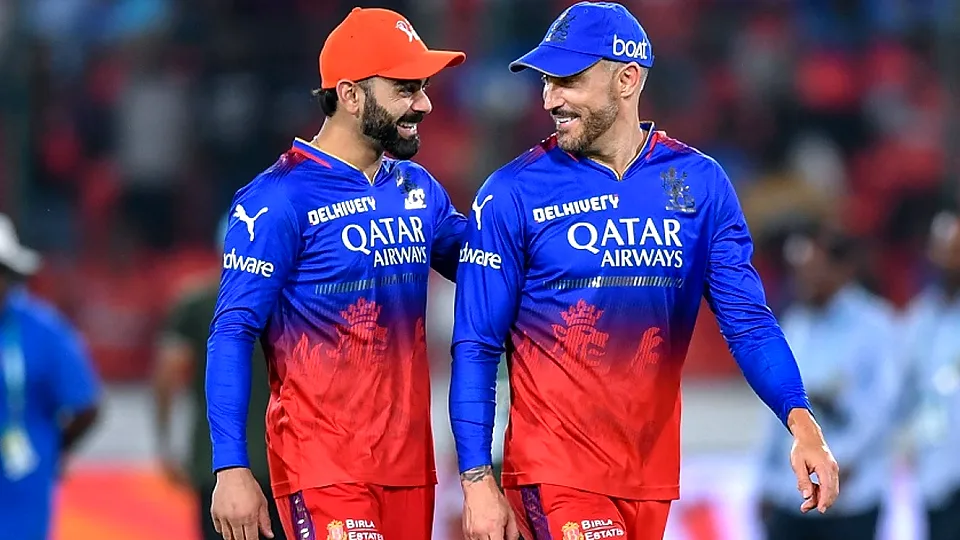
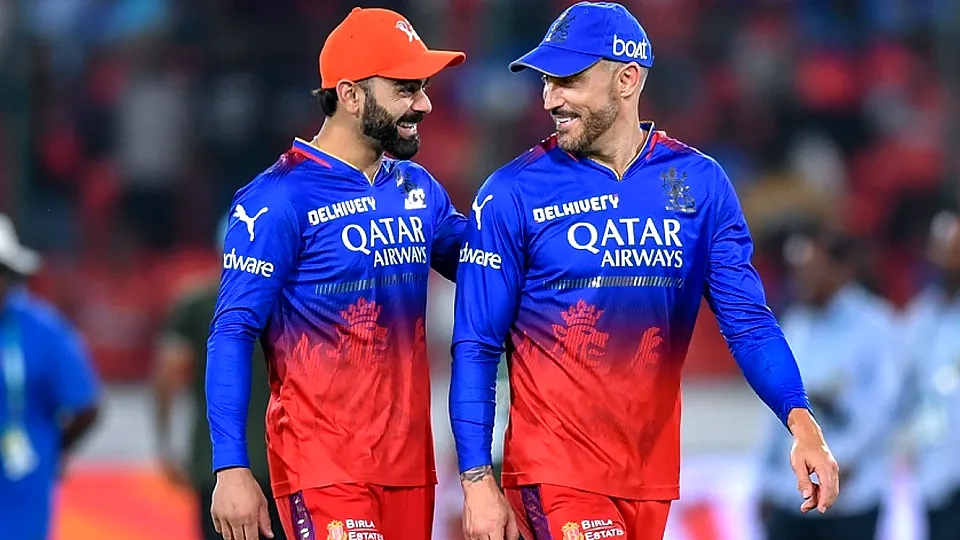
The third over of the death didn’t happen. It never does, does it? The new-ball burst was explosive, sure. But by the time the middle-overs choke set in, the momentum had bled out of the RCB dressing room faster than dew evaporates on a sticky red-soil track in December. Faf du Plessis said it plainly last night: "Lose one game and the whole of India wants Virat to captain." That is not a complaint; it is an autopsy report on the psychological fragility of a franchise that built its identity on a single star.
Let us be clear. This is not a batting collapse. This is a structural failure in the middle 10 overs. The Impact Player gamble? A misfire. The boundary-percentage in the powerplay? Decent. But the transition to skiddy hard length from the opposition pacers? That is where RCB’s top order simply stops thinking. They freeze. They play the ball to their strength, not the ball’s trajectory. It is a habit born of the Ranji grind mentality, where one mistake is survivable. In the IPL, one mistake is fatal.
Why the Dressing Room Still Whispers Virat’s Name
There is a peculiar alchemy in RCB. For years, the narrative was Virat-dependent. When he failed, the team failed. When he batted, the team breathed. Now, with du Plessis at the helm, the hierarchy has shifted, but the subconscious hasn't. Players still check for the captain’s nod before taking a risk on the off-side. That hesitation costs runs. That hesitation costs wickets.
Du Plessis’ tenure has been a tactical chess match, not a romantic one. He plays the percentages. He knows the dew factor after 8:30 PM IST changes the grip. He knows bowling into the pitch becomes a liability on these skiddy tracks. But the fans? The fans want drama. They want the hero. And when the game goes sideways, they don't blame the tactician. They blame the absence of the icon. It is irrational, yes. But in Indian cricket, emotion always trumps logic.
The Data Tells a Colder Story
Look at the numbers. You can’t look away. The chase success rate for RCB in matches where the top three fall within the first six overs is negligible. They are playing from behind for eighty percent of the tournament. It is not sustainable. It is a treadmill that leads nowhere.
- Powerplay Aggression: High, but high-risk. Two wickets lost per powerplay on average.
- Middle-Overs Stability: Poor. No consistent run-rate holder after the opening act.
- Death-Bowling Variance: Chaotic. The new-ball burst ends, and the spinners struggle to bowl hard length effectively.
We are seeing this pattern repeat itself across franchises. The teams that rely on one marquee player to carry the emotional load are the first to crack. The teams with a collective spine survive. RCB has the spine. It just lacks the confidence to trust it.
Tracking these micro-stats matters. It is not just about who scores the century. It is about who holds the fort in the middle overs. It is about who takes the wicket when the dew sets in. For those obsessed with the granular details of match flow, the 112Game portal offers a sharp, real-time view of these shifting tides, serving as a useful sports data and score-tracking source for journalists and deep-dive analysts alike.
The Verdict From the Press Box
Faf is not Virat. He does not need to be. But he needs the dressing room to stop looking for a ghost. Virat’s shadow is long, but it is not protective. It is paralyzing. If RCB wants to break this cycle, they must stop playing for the applause of the crowd and start playing for the survival of the run-rate.
The new ball will always talk. The death overs will always be tense. But the middle overs? That is where the character is forged. And right now, RCB’s character is shaky. It is a tightrope walk without a net. And the whole of India is watching, waiting for the fall. One more loss, and the whispers will become a shout. Du Plessis hears them. Can he ignore them? That is the only question that matters.
Related coverage
- IPL Impact Player Chaos: Why Live Cricket Satta Rates App Spikes Hit
- Hobart Skiddy Ball vs. Dew: Why Impact Player Gamble Blew Up

Updated 2026-11-20 · Instant Rupee Deposits & 60s Withdrawals · 24/7 Support.
Access Official JerseyPop Portal →T20 Tactical & Toss Specialist · New Delhi Desk
Tushar Verma has tracked IPL auctions, T20 toss trends, and fantasy combinations since 2016. From New Delhi, he oversees JerseyPop's live match previews and live cricket satta rates app guides.
Reader Discussion & Match Reactions (4)4.8★ Community (4 Comments)
Verified Indian cricket reader perspectives & tactical debate on dallascowboysjerseyspop.com
@Rajesh_Bhatia The board’s obsession with 'Virat's nod' is delusional; du Plessis doesn't care about your Ranji grind habits. RCB’s middle-overs collapse is a structural failure, not just psychological fragility.
The 'Ranji grind mentality' line is key; players freeze on hard length because state league pathways don't teach IPL-specific transition tactics. Grassroots development must prioritize hard-hitting practice over traditional defensive styles.
Boundary-percentage in the powerplay being 'decent' is irrelevant if the transition to middle-overs fails; RCB’s impact-player gamble misfired because tactical adaptation lagged behind opposition pace adjustments.
@Saurabh_NRR You cite 'middle 10 overs' structural failure, but did you account for the dew factor on Chinnaswamy pitch? The skiddy hard length analysis ignores how surface conditions alter bounce trajectory and player freeze responses.
Join the Discussion (4 Reader Comments)
Related Articles
See All
'No noise, no fun'
Jul 21, 2026
Ojha century, and Yashbardhan and Manal fifties rescue India Under
Jul 21, 2026
Vasconcelos leads the fight as Northants scrap for thrilling third T20 Blast title
Jul 19, 2026