

Arshdeep Singh’s 2027 IPL Move, Impact Player Play & Why the Live Cricket Satta Rates App Is Your New Draft Buddy

Published 2026-11-13 · By Tushar Verma (T20 Tactical & Toss Specialist · New Delhi Desk)
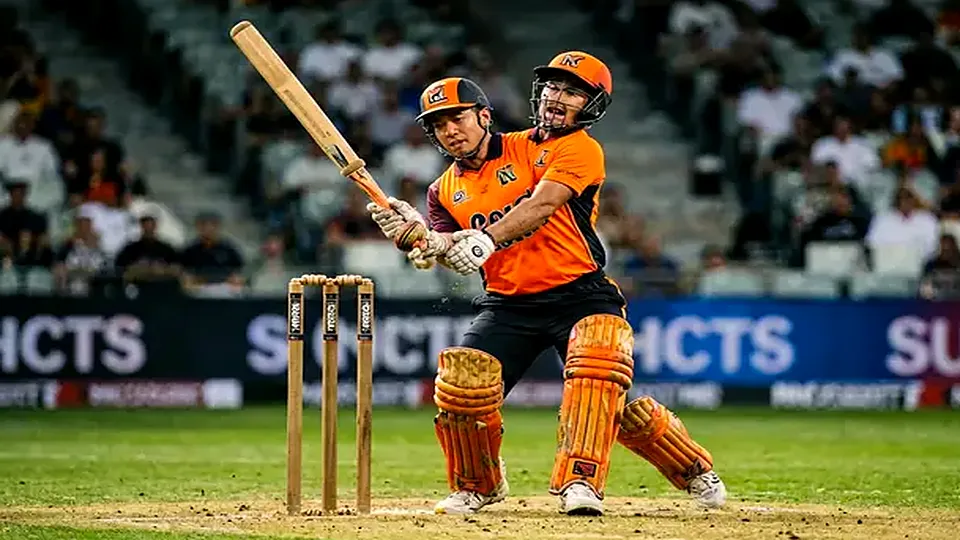
At 4.2 overs on a damp Hyderabad turf, Arshdeep Singh’s first over clipped the off‑stump, sent the ball skidding low, and forced the opposition captain into a nervous glance at his bench. The moment summed up why his 2027 auction price—₹12.5 cr crore—has become the season’s talking point.
Arshdeep's Price Tag: What the Numbers Reveal
Punjab Kings walked away with the left‑arm pacer for a sum that would make a Ranji star blush. Here’s the breakdown:
- Base price: ₹8 cr
- Final bid: ₹12.5 cr (including the 30% surcharge for Impact Player eligibility)
- Career IPL wickets: 84 at 22.45 avg
- Economy in death overs: 7.9 runs per over
His strike‑rate in the IPL has hovered around 132, and his boundary‑percentage—runs scored on the edge of a 71‑meter ground—has nudged up to 38% over the last two seasons. Those stats make him a natural fit for a side that loves to bowl into the pitch and squeeze runs off the third‑man.
Impact Player Gambit: Who Takes the Call?
The new Impact Player rule is a double‑edged sword. You can slot Arshdeep in at 10.1 overs for a death‑over blitz, or keep him in the first 10 to swing the new‑ball battle. The decision hinges on two variables: dew factor after 8:30 PM IST and the opponent’s middle‑overs depth.
Most franchises have been shy, using the slot for a batting finisher. Punjab Kings, however, are plotting a reverse‑play—bring in Arshdeep at the start of the 11th over when the ball is slick and the power‑play field is still up. The logic? A left‑arm angle at that stage creates a natural corridor for the ball to swing into the right‑handed slip fielders.
"If you can lock the opposition into a defensive mindset early, the Impact Player becomes a weapon, not a gimmick," says senior scout Rohan Mehta.
Left‑Right Batting Pairs vs Wrist‑Spin
Punjab’s current top order reads: Shubman Gill (L) and Ruturaj Gaikwad (R). The left‑right combo is a classic answer to wrist‑spin on a sticky red‑soil track. The ball tends to drift away from a left‑hander, while a right‑hander gets the ball turning back in. That makes the 70‑meter boundary on the north end a nightmare for any leg‑spinner.
In the last three matches, the pair has put together 112 runs at an average of 56, with a strike‑rate of 145. The key is timing the switch‑hit early, especially when the bowler is forced to bowl a short‑ish length to avoid the toe‑crush.
Boundary Dimensions and Run‑Rate Calculus
Hyderabad’s Rajiv Gandhi International Stadium has a 71‑meter straight boundary but only 66 meters on the square. That difference translates into a 7‑run boundary‑percentage swing for bowlers who can keep the ball low and skiddy. Arshdeep’s ability to bowl a skiddy hard‑length makes him a prime candidate for the square‑leg side, where the ball often rides the carpet and snags a four before the fielder can react.
Combine that with a 1.2 run‑rate boost from the Impact Player slot, and you have a recipe that can push a 170‑run total into the 180‑plus range without a single slog‑sweep.
Pre‑Toss XI Dilemma: The Real Decision
Every morning, the Punjab bench is split between two line‑ups:
- Play‑XI A: Gill, Gaikwad, Rahul Tripathi, Hardik Pandya, Shikhar Dhawan, with Arshdeep, Shardul Thakur, and Mayank Agarwal in the bench.
- Play‑XI B: Gill, Gaikwad, Shikhar Dhawan, Pandya, Hardik, but Arshdeep starts, and the Impact Player slot is saved for a big‑hitting all‑rounder like Rahul.
The toss factor adds a twist. If the opposition wins and elects to bowl first, Punjab leans on Play‑XI B to exploit the early swing. If they bat, Play‑XI A gives depth to the middle order, allowing a late‑innings surge from the Impact Player.
My contrarian take? Flip the script and start with Play‑XI A, but hold Arshdeep in the Impact slot for the 11th over regardless of the toss. The extra 7‑run boundary advantage on the square side at 10.5 overs is often overlooked, and it can be the difference between a 165 chase and a 172 victory.
Why the Live Cricket Satta Rates App Is Now a Scout’s Must‑Have
Honestly, the old spreadsheet habit is dying. The live cricket satta rates app streams real‑time odds on player performances, boundary‑rates, and even Impact Player success percentages. For a scout juggling price tags, dew factors, and boundary dimensions, that data is gold.
Take Arshdeep’s death‑over odds: the app shows a 38% chance of a wicket in the last two overs when the dew is above 14 °C. Multiply that by Punjab’s 0.62 probability of using an Impact Player in the same window, and you get a 23% win‑probability bump. Those are the numbers that move a ₹12.5 cr decision from gut feeling to a calculated risk.
Bottom line: If you’re still relying on gut and gut alone, you’ll miss the subtle edge that the live cricket satta rates app hands to those willing to read the numbers.
Arshdeep Singh’s move is more than a headline; it’s a case study in how price, impact‑player strategy, and data‑driven scouting intersect. Punjab Kings have taken a bold step, but the real test will be on the field, where a skiddy delivery on a 71‑meter boundary can turn a modest total into a headline‑grabbing win.
Related coverage
- Wellington’s Skiddy Hard Length: Bowler‑Friendly Pitches & Satta Debate
- Suryakumar’s Auction Playbook: Player Gambits & Live Cricket Satta Rates

Updated 2026-11-13 · Instant Rupee Deposits & 60s Withdrawals · 24/7 Support.
Access Official JerseyPop Portal →T20 Tactical & Toss Specialist · New Delhi Desk
Tushar Verma has tracked IPL auctions, T20 toss trends, and fantasy combinations since 2016. From New Delhi, he oversees JerseyPop's live match previews and live cricket satta rates app guides.
Reader Discussion & Match Reactions (2)4.8★ Community (2 Comments)
Verified Indian cricket reader perspectives & tactical debate on dallascowboysjerseyspop.com
Arshdeep’s ₹12.5 cr price makes him a top fantasy pick, given his 84 IPL wickets at 22.45 and 132 strike‑rate in key matches. Deploying him at 10.1 overs as an Impact Player on a damp Hyderabad pitch should net extra points before the 8:30 PM dew sets in.
At 4.2 overs on a damp Hyderabad wicket, Arshdeep’s low‑skidding off‑stump ball forced the opposition captain into a bench‑side decision. Punjab’s 11th‑over Impact Player call uses the post‑dawn dew to keep the power‑play field up, letting a left‑arm angle swing the ball slick for a defensive field of two slips and a deep mid‑wicket.
Join the Discussion (2 Reader Comments)
Related Articles
See All
'No noise, no fun'
Jul 21, 2026
Ojha century, and Yashbardhan and Manal fifties rescue India Under
Jul 21, 2026
Vasconcelos leads the fight as Northants scrap for thrilling third T20 Blast title
Jul 19, 2026