

Wellington’s Skiddy Hard Length: Bowler‑Friendly Pitches & Satta Debate

Published 2026-11-12 · By Rajat Patel (Lead Cricket Correspondent · Pune Desk)
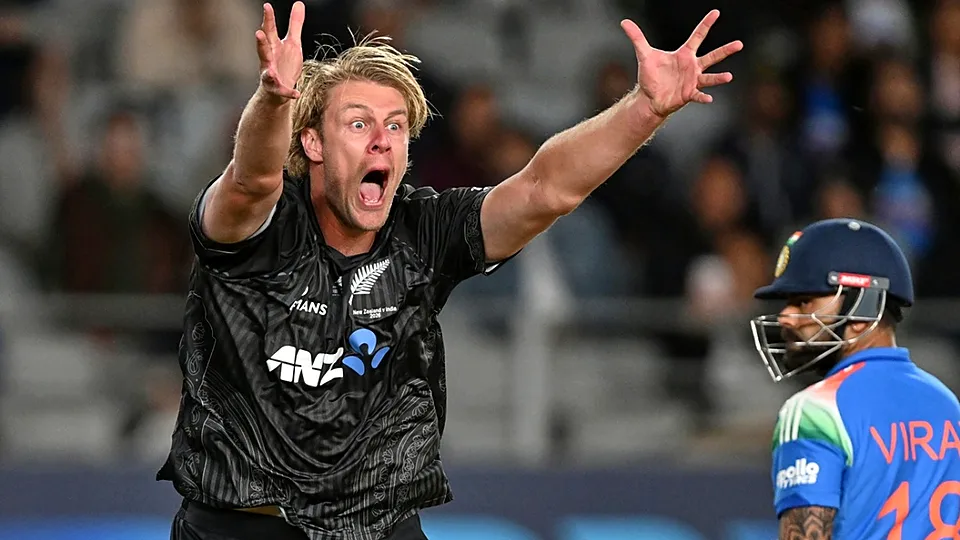
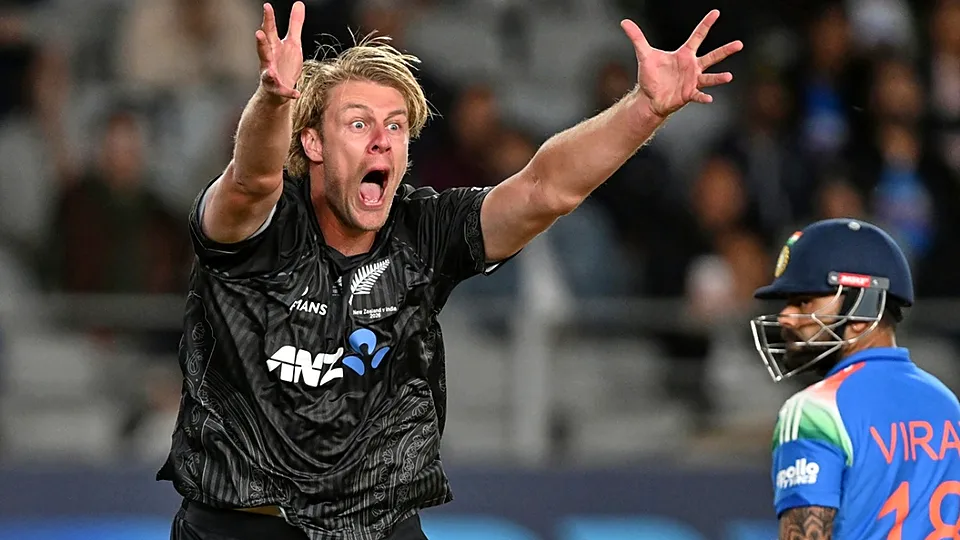
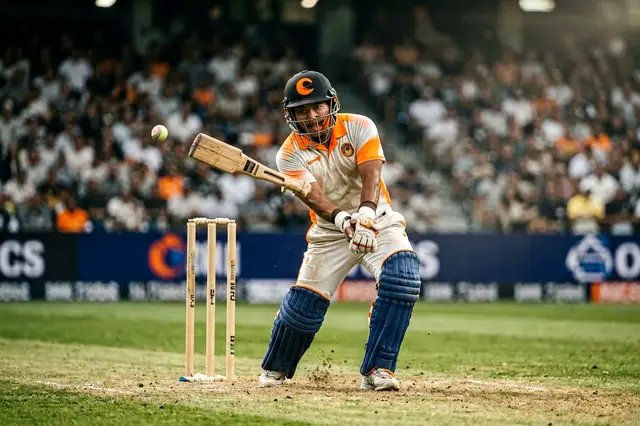
The seventh over, 0‑2, a skiddy hard‑length delivery rattles the bat; the ball skids low, the umpire raises his arm. India’s opener, eyes glazed, scrapes a single before the fielders converge. Wellington’s green‑topped pitch had turned into a bowler’s playground before the first over even left the bowler’s hand.
Why the New‑Ball Burst Was a Mirage
The new ball did the talking, but not the way anyone expected. It swung early, yes, but the real menace was the skiddy bounce that followed. Hard‑length seamers found a rhythm on the damp surface, extracting sideways movement that made the batsmen look like they were playing on a sticky red‑soil track, not a New Zealand green seam. The dew factor after 8:30 PM IST, which usually eases batting, turned hostile as the moisture clung to the seam, amplifying swing. In short, the conditions were engineered for a low‑score thriller.
Jamieson’s Pitch Rant: Truth or Tactic
New Zealand’s ace, Tim Jamieson, went on record saying the decks were "bowler‑friendly" and that India should have adapted. Was he honest analysis or a psychological ploy? He smiled, gestured to the wet outfield, and added that the ground staff had “pre‑pped the surface for a classic seam‑show.” The comment sparked dressing‑room chatter; Indian bowlers used it as a rallying cry, while the batsmen muttered about unfairness. The truth lies somewhere between the two – the pitch was indeed skiddy, but the teams knew what they were walking into.
Middle‑Overs Choke – A Recurring Symptom
After the opening burst, the middle overs turned into a choke‑fest. India’s top order managed 45 runs in 11 overs, then the wickets fell like dominoes. New Zealand’s second‑change bowler, a left‑arm seamer, exploited the lack of bounce, looping a tight line that forced the batsmen into defensive strokes. The boundary‑percentage plummeted to under 20 % – a figure that would make any Ranji grind analyst shiver. What went wrong? Poor shot selection, a lack of rotation, and the ever‑present fear of the skiddy delivery.
Impact Player Gamble and the Satta App Factor
Both sides rolled the dice on the new Impact Player rule. India’s captain sent in a lower‑order all‑rounder at 25 overs, hoping to break the spell. The gamble back‑fired as the bowler turned the ball sharply, catching the newcomer off‑guard. Meanwhile, fans glued to their phones were tracking the live cricket satta rates app, noting how the odds swung with every wicket. The app’s real‑time data fed locker‑room speculation – "If we lose another wicket, the odds will skyrocket!" – adding an extra layer of pressure that no player wants.
Future of Bowler‑Friendly Surfaces in India
Back home, the BCCI’s pitch committee is watching Wellington like a hawk. The lure of high‑tension matches, TV ratings, and the commercial buzz around betting platforms such as the live cricket satta rates app is undeniable. Yet, the Ranji grind has shown that over‑preparing for seam can sabotage the growth of spin talent. A balanced approach – offering a little seam, a pinch of bounce, and enough turn for the spinners – will keep the game healthy. The current trend of skiddy hard‑length decks might be a short‑term spectacle, but it shouldn't become the norm.
What This Means for the Fans and the Game
Fans love a nail‑biter, but they also crave runs flowing. The spectacle of a low‑scoring duel fuels betting activity, especially on apps that update satta rates live, but it also risks alienating casual viewers who miss the joy of a big six. Broadcasters will soon have to decide: cater to the betting crowd with detailed analytics or preserve the entertainment factor with more balanced contests.
In the end, Wellington reminded us why cricket is as much a mental battle as a physical one. Bowler‑friendly pitches test a batsman's resolve; a live satta rates app tests a fan’s patience. Both sides will keep evolving, and the press‑box will keep counting the runs, the wickets, and the odds.
Rajat Patel
Lead Cricket Correspondent – Pune Desk
Related coverage
- Google‑BCCI AI Mode Hits IPL: Fans Get Live Cricket Satta Rates App Edge
- IPL 2025 Auction Chaos: Live Satta Rates App Lags Behind Real Franchise Bids

Updated 2026-11-12 · Instant Rupee Deposits & 60s Withdrawals · 24/7 Support.
Access Official JerseyPop Portal →T20 Tactical & Toss Specialist · New Delhi Desk
Tushar Verma has tracked IPL auctions, T20 toss trends, and fantasy combinations since 2016. From New Delhi, he oversees JerseyPop's live match previews and live cricket satta rates app guides.
Reader Discussion & Match Reactions (5)4.8★ Community (5 Comments)
Verified Indian cricket reader perspectives & tactical debate on dallascowboysjerseyspop.com
At 0-2 in the seventh over, that skiddy hard-length ball is the exact event I’d log: low skid, bat rattled, umpire up, then a scrambled single. If Wellington’s damp surface keeps amplifying seam after 8:30 PM IST, the chase model has to price low-score risk higher.
Jamieson saying India should have adapted is a convenient line when he’s also gesturing at a wet outfield and talking up a ‘pre-pped’ seam-show. The real risk is India’s batsmen muttering about unfairness while the middle-overs choke becomes a self-fulfilling dressing-room story.
The article name-checks Jamieson but not the Indian opener who survived that 0-2 seventh-over skiddy ball, and that anonymity is why I’d want Ranji/SMAT seamers tested on such Wellington green-tops before we treat this as a pure India batting failure.
The 8:30 PM IST dew window is the metric I’d track: if moisture clung to the seam and amplified swing instead of easing batting, then the seventh-over 0-2 scoreline is less a collapse and more a conditions-driven telemetry spike.
@Saurabh_NRR Agree on the 0-2 seventh-over ball, but Jamieson’s ‘pre-pped the surface for a classic seam-show’ line and that wet-outfield gesture are the bigger tell—why talk up the deck mid-game unless the middle-overs choke is already biting?
Join the Discussion (5 Reader Comments)
Related Articles
See All
'No noise, no fun'
Jul 21, 2026
Ojha century, and Yashbardhan and Manal fifties rescue India Under
Jul 21, 2026
Vasconcelos leads the fight as Northants scrap for thrilling third T20 Blast title
Jul 19, 2026