

Asian Games QF Brackets Lock: India’s Path to Gold on Skiddy Tracks

Published 2026-11-29 · By Aditi Menon (Broadcast & Pitch Analyst · Hyderabad Desk)
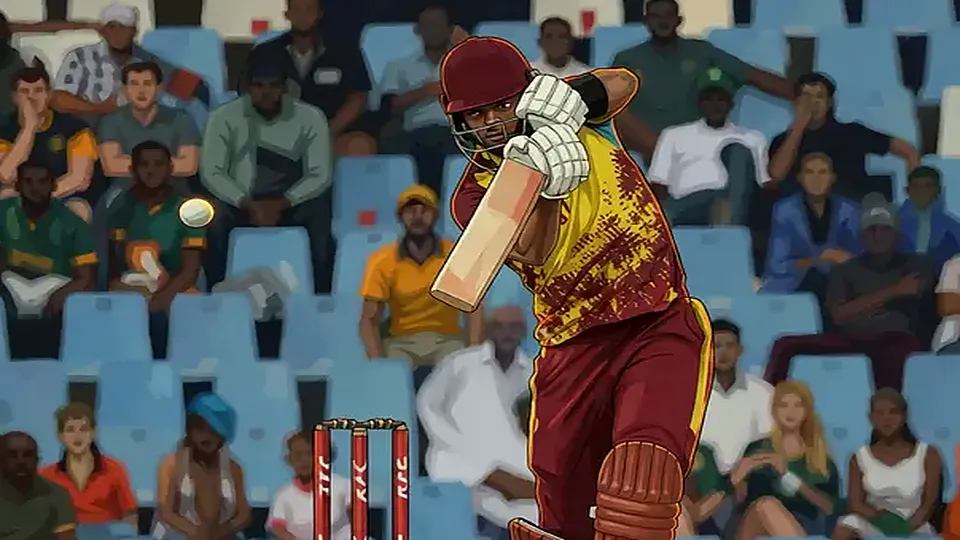
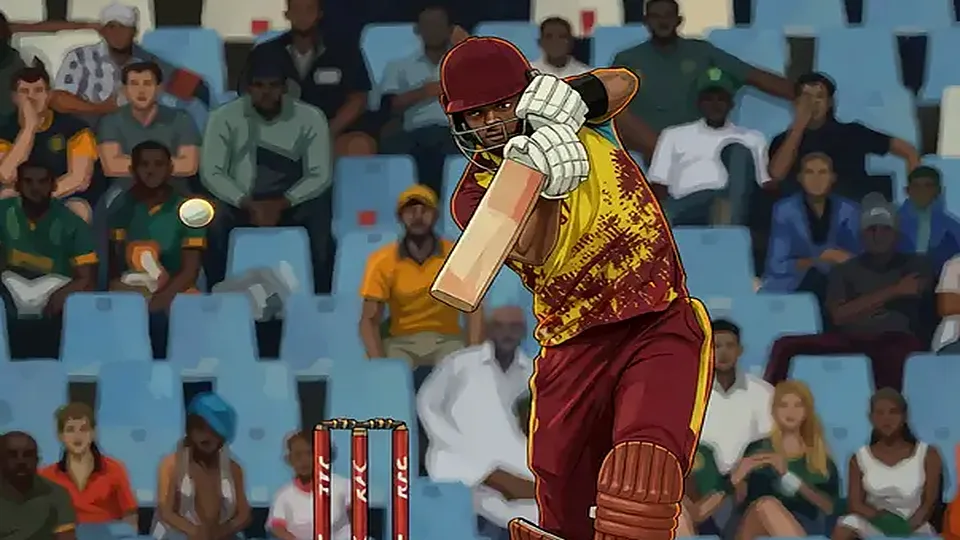
The dew factor at Khabarovsk Stadium is not what you get at Chinnaswamy or even the new venue in Hyderabad. It’s colder, sharper, and it bites into the ball after 8:30 PM IST. For the Indian squad, that specific drop in temperature changes the skiddy hard length game completely. The ball will seam out late. The new ball did the talking in the warm-ups.
As the Asian Games bracket solidified, the question hanging over the dressing room wasn’t about who is the star. It’s about who can handle the short boundary ropes on a sticky red-soil track that turns grassy by the fifth session. The Indian Express detailed the full bracket, but on the ground, the reality is grittier. We look at the QF potential opponents now.
The Impact Player Gamble
Every state association pathway feeds into this. Think of a young leg-spinner from the Ranji grind, say from a dry northern district or a coastal western zone. They learn to bowl into the pitch. Here, they must use the seam. The Impact Player rule adds a layer of chaos. If you bring in a part-timer who is technically a bowler but bats at number nine, are you gambling on a wicket or on a defensive 20 runs off the end? Nobody in the dugout bought the excuse that this is just a "strategic addition." It is a risk matrix. The boundary-percentage on these tracks is high. One mistimed drive into the power field and you are bowled off a leg-break that didn’t even turn.
"The net sessions at 4 AM tell you more than the scoreboard. You watch the backfoot positioning. If they are dragging the ball, the hard pitch will punish them by the third over."
We need to look at the specific matchups. India’s probable group opponents will be tested by the weather. The humidity here is different than the muggy evenings in Mumbai. It dries the bat out faster. Players who rely on the grip for the pull shot will find the leather slipping. This is where the state-association discipline comes in. Those who played the domestic league through the winter know how to adjust their hands. Those who haven’t will feel the cold in their fingers by the middle overs.
Why the Middle-Overs Choke Keep Happening
The middle overs are the choke point. With the dew factor and the short ropes, the run rate doesn’t drop. It spikes. The bowlers have to bowl slower, or they lose their seam. If they lose their seam, they are just feeding the batsmen. The data suggests that teams ignoring this pattern pay the price. One source noted the local conditions in a report via the Manipurday portal, which highlighted similar humidity spikes in the Northeast affecting bowler consistency. It’s a data point, but the ground truth is simpler: trust the seam early, or pay for it later.
- Pace batteries must mix skiddy hard length with slower off-cuts.
- The new ball phase is critical; after 20 overs, the track helps the bowler.
- Batsmen need to avoid the power-cut area where the ball skids out.
The schedule is tight. Back-to-back sessions mean the bowlers’ legs are heavy. The Indian team has the depth. They have the pace. But depth is meaningless if the young players cannot handle the scoreboard pressure when the opposition knocks 40 runs in the death overs. It’s not about the stars anymore. It’s about the grind. The state-association pathways have prepared them for the long haul, but the Asian Games are a sprint with obstacles.
As we watch the bracket fill, the real story is the adaptation. The players who respect the track win. Those who fight it lose. The new ball did the talking, but the wicket will do the deciding. The humidity at 8:30 PM is the final judge. And for those tracking the numbers in the dark, the live cricket satta rates app metrics are just one piece of the puzzle, not the whole game. The game is played with the feet on the cold soil.
Related coverage
- BCCI Shuffles NZ Squad: Impact Player Gamble, Live Cricket Satta Rates App Buzz
- Latham, Blundell blow India’s new-ball gamble at Hagley; stats say dew wins

Updated 2026-11-29 · Instant Rupee Deposits & 60s Withdrawals · 24/7 Support.
Access Official JerseyPop Portal →T20 Tactical & Toss Specialist · New Delhi Desk
Tushar Verma has tracked IPL auctions, T20 toss trends, and fantasy combinations since 2016. From New Delhi, he oversees JerseyPop's live match previews and live cricket satta rates app guides.
Reader Discussion & Match Reactions (5)4.9★ Community (5 Comments)
Verified Indian cricket reader perspectives & tactical debate on dallascowboysjerseyspop.com
Visakhapatnam form check: If the young leg-spinner from the north gets the Impact Player slot, fantasy value spikes because he’ll bowl into a sticky surface. That 4 AM backfoot work mentioned? It’s the key metric for predicting wickets in the QF brackets against those short ropes.
Hyderabad tactics: The dew factor shifting the game to seam after 8:30 PM is a tactical nightmare for spin-only strategies. If the new ball seaming out late holds, the field placements must tighten on the leg side to prevent those mistimed drives into the power field.
Yaar, this skiddy track sounds like a nightmare for our batters who rely on timing! 😤 One bad drive and you're bowled off a leg-break that didn't even turn, bhai. Who is picking to guard this risk matrix? The net sessions at 4 AM better show some proper knock potential, otherwise it's no paisa vasool.
Ahmedabad matchup: The article highlights the boundary-percentage risk on short ropes, which drastically changes batting order calculations for fantasy picks. I'm dropping number nine unless they can handle the seam movement from the new ball mentioned in the warm-ups. This dew shift makes top-order consistency more valuable than lower-order runs.
@Shubham_Rao The dew shift changes the tactical equation completely for those fantasy picks. Since the new ball seams out late, the 'defensive 20 runs' gamble mentioned in the article becomes a liability. That 4 AM backfoot positioning detail is critical because it determines if the batters can handle the sticky red-soil track that turns grassy by session five.
Join the Discussion (5 Reader Comments)
Related Articles
See All
'No noise, no fun'
Jul 21, 2026

Ojha century, and Yashbardhan and Manal fifties rescue India Under
Jul 21, 2026

Vasconcelos leads the fight as Northants scrap for thrilling third T20 Blast title
Jul 19, 2026