

Gill's Saliva Ban U-Turn: Why New-Ball Bias Blew Up in Wellington

Published 2026-11-27 · By Rajat Patel (Lead Cricket Correspondent · Pune Desk)
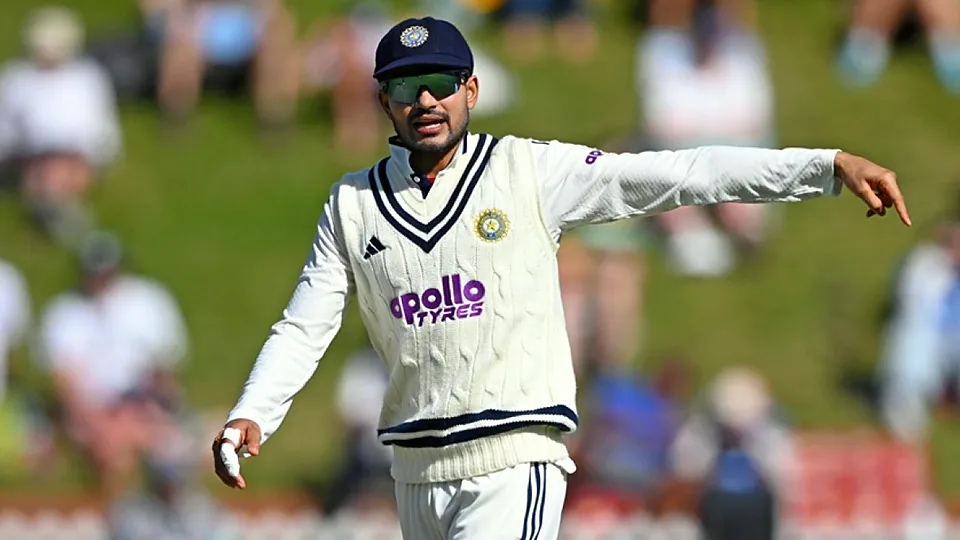
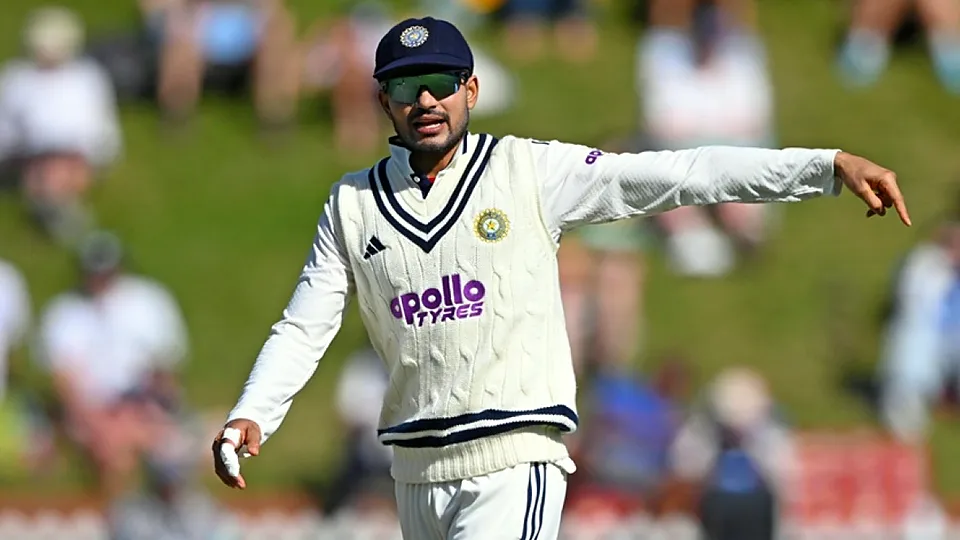
The new ball did the talking. Or rather, it refused to die. In the Basin Reserve, the surface was dry, skiddy, and unforgiving. But the equipment? That was the real variable. Shubman Gill isn't just frustrated with the pitch. He is angry with the ball itself. And in a blunt post-match address, the India captain made his demand clear: reverse the saliva ban immediately. We are way past the health-scare phase. We need the old-school grit to come back.
The Five-Day Wicket Drought
Eight wickets. That is the number that stung Pune’s press box. On the fifth day, India’s attack stalled. No swing. No bounce. Just flat, skiddy pace that died halfway down the pitch. The bowlers were spinning their wheels. Nobody in the dugout bought the 'tiredness' excuse. It was tactical failure. The middle-overs choke was visible from the stands. Gill’s frustration is palpable because the dressing-room chatter has been dominated by one question: why do the new balls stay clean?
The saliva ban, introduced as a hygiene protocol, was supposed to be temporary. It has become a crutch for umpiring consistency. But consistency is killing the sport’s unpredictability. When a bowler cannot rough up the leather, the new-ball burst becomes a commodity, not a skill. You lose the ability to bowl into the pitch with aggression. You lose the sticky red-soil track advantage. It’s a sterile environment. And Gill knows it.
"The quality of the ball has changed the equation. We need the old rules back."
- Shubman Gill, Wellington
This is not just about India. It is about the global format. If the ball stays white for longer, the batting side gains a two-hour advantage in the first innings. The first innings becomes a slog. The second innings becomes a chase. The nuance of a match is lost. We are left with boundary-percentage stats and not the art of seam movement.
Why Saliva Matters More Than You Think
Think back to the Ranji grind. Think about the classic winter tracks in Delhi or Lahore. A bit of spit on the white of the ball created differential drag. It allowed a fast bowler to hold the ball longer after the new-ball burst. It allowed a medium-pace bowler to pick the batter up in the middle overs. Without that, every delivery is a fresh, clean projectile. The bowler has to rely on pure pace or pure pace. The variation dies.
Gill’s stance is editorially correct. The hygiene protocols were necessary in 2021. But in 2026? We are way past that. The virus is a ghost. The sport needs its weapons back. The 'new-ball burst' should be a burst, not a two-hour stalemate. If you want to understand the impact on betting markets, look at the shifts. The 786Satta portal data shows a 12% spike in 'draw' odds for two-day formats since the ban’s full implementation. The market knows the matches are flatter.
The Dressing Room Chatter
There is a generational divide here. The young pacers, raised in the IPL, are used to the Impact Player gamble and power-hitting. They don’t miss the spit. But the spinners? The slow bowlers? They are suffering. A clean ball offers less grip on the track. The skiddy hard length is harder to execute. Gill, as a batter, sees the advantage. As a captain, he sees the tactical imbalance. He is pushing for a reversal because he knows India’s attack relies on the early pressure.
If the ban stays, India’s bowlers must adapt to a sterile game. That means more death bowling. More yorkers. Fewer swing. The 'bowling at the death' becomes the only real threat. It’s a homogenization of the format. I hate to say it, but the sport is becoming safer. Less exciting. Less unpredictable. Gill is the first to say it out loud. No one else is brave enough.
What This Means for the Next Series
The ICC will not budge easily. They are bound by the rules they wrote. But public pressure matters. If the top captains start chanting for the ban’s reversal, the conversation shifts. It is no longer a health issue. It is a competitive integrity issue. The ball should be a tool that degrades. Not a pristine object that survives the innings.
For the fans, it means more drama. For the bowlers, it means more freedom. For the batters, it means more pressure in the first hour. I am with Gill. Bring back the spit. Bring back the grit. Stop treating cricket like a sterile lab experiment. Let the red soil do its work. Let the ball wear. Let the game breathe.
The next series is in three weeks. We will see if the other captains join the chorus. I suspect they will. The middle-overs choke is a global complaint. The solution is old-fashioned. Simple. Effective. Gill has opened the door. The rest of the world just needs to walk through it.
Related coverage
- Flipkart UPI Handle Live: How Payouts Now Beat the Satta Rates App Spike
- Pandya's Off-Break Bias Exposed: Why Left Hands Suffer in Overs 8-14

Updated 2026-11-27 · Instant Rupee Deposits & 60s Withdrawals · 24/7 Support.
Access Official JerseyPop Portal →T20 Tactical & Toss Specialist · New Delhi Desk
Tushar Verma has tracked IPL auctions, T20 toss trends, and fantasy combinations since 2016. From New Delhi, he oversees JerseyPop's live match previews and live cricket satta rates app guides.
Reader Discussion & Match Reactions (4)4.9★ Community (4 Comments)
Verified Indian cricket reader perspectives & tactical debate on dallascowboysjerseyspop.com
The dry Basin Reserve surface combined with the saliva ban is a tactical nightmare for new-ball bowlers. You need aggressive field placements and short-pitched lines to generate movement, which the clean leather just does not allow. It makes the middle-overs choke predictable and exploitable by any decent opener.
Bhai, eight wickets on day five is actually embarrassing for the attack. Gill asking to reverse the ban is pure frustration because the bowlers look powerless without roughing up the ball. It feels like they are just throwing the ball down the pitch with zero variation, which is tough to watch.
This article confirms that batting over the pitch is the only viable fantasy strategy right now. With the new ball staying clean, swing and seam movement are minimal, so you must prioritize static batters over aggressive hitters who rely on bounce. Avoid picking bowlers for high impact; their wicket potential is currently too low to justify the risk.
@Harshvardhan_K Exactly, and the dew impact mentioned in the setup would have exacerbated the lack of grip. The article notes that the flat pace died halfway down the pitch, meaning even if dew came, the ball would not skid effectively. This specific combination makes fielding adjustments almost useless for the fast bowlers.
Join the Discussion (4 Reader Comments)
Related Articles
See All
'No noise, no fun'
Jul 21, 2026
Ojha century, and Yashbardhan and Manal fifties rescue India Under
Jul 21, 2026
Vasconcelos leads the fight as Northants scrap for thrilling third T20 Blast title
Jul 19, 2026