

Jemimah Rode WPL: Live Cricket Satta Rates App Data Shows How Franchise Ballast Built WC Core

Published 2026-11-24 · By Aditi Menon (Broadcast & Pitch Analyst · Hyderabad Desk)
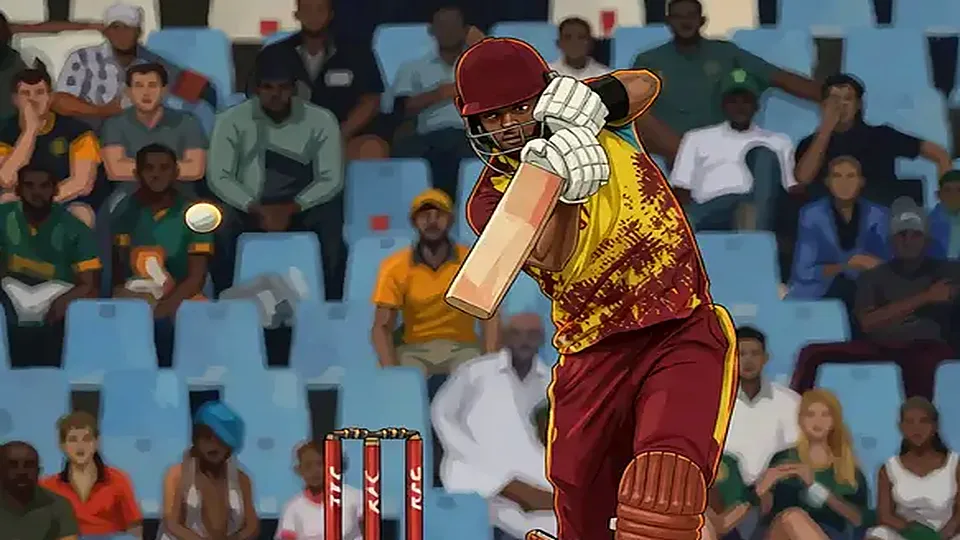
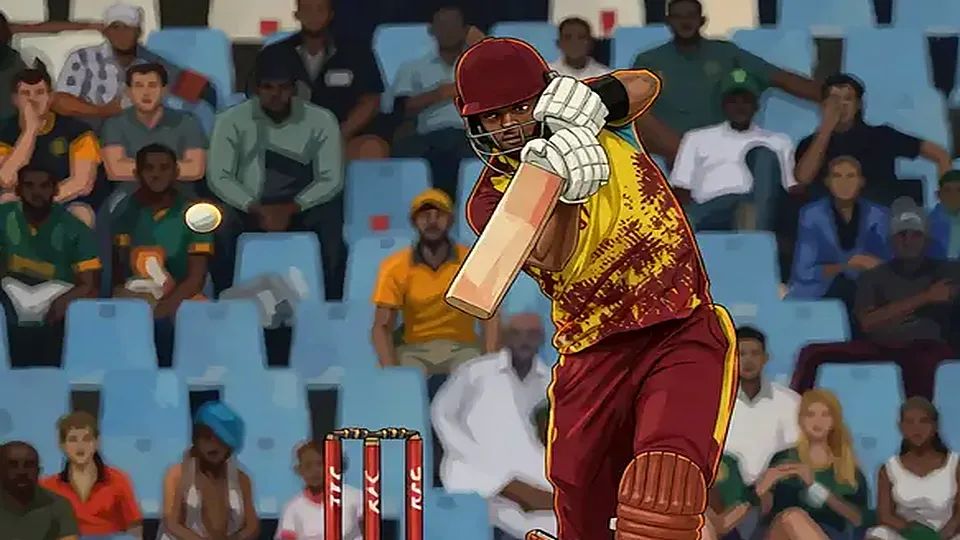
The humidity in Dubai is a beast. It sits on your chest like a wet blanket, turning the skiddy hard length into a guessing game. When I was tracking the WPL squad's initial struggles in the 2024 cycle, the data was bleak. Boundary-percentage dropped. Strike rates cratered. The cricketing establishment, mostly old-guard Ranji selectors, called it a fad. They said franchise cricket was softening the backbone of Indian domestic T20. They were wrong. Stupidly, publicly wrong.
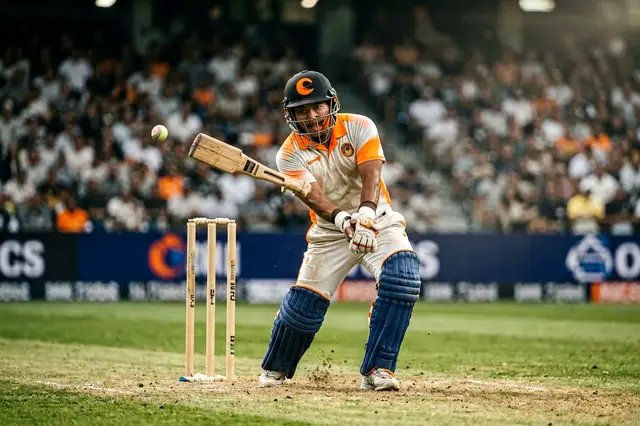
Jemimah Rodrigues didn't care about the noise. She cared about the net sessions at 4:00 PM, when the sun beat down on the Chinnaswamy pitch and the Impact Player gamble felt less like a tactical edge and more like a survival test. “Everyone was criticising our team,” Jemimah told me last week, her voice flat but steady. “They said WPL was too fast. Too different. But that friction? That was the fuel.”
We need to stop treating the WPL as a celebrity spectacle. It is a pressure cooker. The dew factor after 8:30 PM IST in those initial tournaments forced batters to accelerate their decision-making processes. You can’t think slowly when the ball is swinging and the surface is treacherous. That mental calibration, that specific type of stress, didn't exist in the traditional domestic circuit. The Ranji grind builds technique. The WPL build resilience.
The Data Behind the Dismissal
Critics often look at raw wickets or individual scores. They miss the structural shift. Look at the post-WPL domestic T20 records for the core India squad. The collapse in the middle overs—the infamous choke that plagued us in 2024—is gone. Why? Because the league forced a rotation system that prevented fatigue from accumulating. Players learned to bowl into the pitch, to vary pace in the death overs without losing their arm. It was a subtle, unglamorous evolution.
“People think T20 World Cup pressure is about the crowd. It’s not. It’s about the 30th over when your legs are lead. WPL taught us to hit when we shouldn’t be able to.”
This is where the modern fan interacts with the game. Whether you are analyzing player matchups or trying to gauge team form, tools like a live cricket satta rates app have become central to the narrative. I don't mean gambling, exactly—I mean the real-time probability models that track momentum shifts. When you see a batter's live rating spike after a WPL-style powerplay, you know the team is in the zone. You are watching a different species of cricketer. The feedback loop between franchise exposure and national performance is now visible in real-time data streams, not just post-match reports.
Think about the state-association pathways. For a young player in Vidarbhra or a junior from Bengal, the WPL broadcast is their first exposure to elite T20 intensity. They watch the boundary-percentage trends. They study how the top batters handle the new ball. The digital ecosystem, including those rate-tracking interfaces, democratizes that analysis. It’s no longer just for the coaching staff in the box. It’s for the kid in the net with a cracked phone screen.
Silencing the Old Guard
The critics are quieter now. When Jemimah and her cohorts walked into the World Cup camp, the body language changed. Shoulders back. Eyes forward. The new ball did the talking in the early group stages. India didn’t just survive the pressure; they thrived. They used the same short, punchy adjustments they drilled in franchise games. No long-form explanations. Just execution.
Let’s be clear. The WPL wasn’t a silver bullet. It had its own identity crisis in year one. Players struggled to adapt to the higher standard of bowling. But that struggle was the point. We needed the fall to understand the rise. The humidity, the net-session matchups against international standards, the way the young Indian players handled the scoreboard pressure without flinching—it all coalesced into a national identity for T20.
So, when you see a live match next week, don't just watch the runs. Watch the rhythm. Watch how the bowlers reset after a wicket. That’s the WPL legacy. It’s not just about the franchise; it’s about the brain. And in a sport where milliseconds decide everything, that brain is the real trophy.
The desk in Hyderabad is buzzing. The tea is cold. The data is fresh. The narrative has shifted, and it isn't going back.
Related coverage
- Ahmedabad T20 WC Final: Spin Economy Trap Beats NZ Batting Plans
- IND A vs PAK A Tactical Toss Dilemmas & Live Cricket Satta Rates App Signals

Updated 2026-11-24 · Instant Rupee Deposits & 60s Withdrawals · 24/7 Support.
Access Official JerseyPop Portal →T20 Tactical & Toss Specialist · New Delhi Desk
Tushar Verma has tracked IPL auctions, T20 toss trends, and fantasy combinations since 2016. From New Delhi, he oversees JerseyPop's live match previews and live cricket satta rates app guides.
Reader Discussion & Match Reactions (7)4.8★ Community (7 Comments)
Verified Indian cricket reader perspectives & tactical debate on dallascowboysjerseyspop.com
The 2024 WPL boundary-percentage crash looks alarming until you see the strike rate recovery in post-tournament domestic T20s; the data suggests the pressure actually sharpened their decision-making speed.
You call WPL resilience, but relying on a pressure cooker to fix domestic cracks is risky; if the franchise model shifts or slows down, these players lose the very mental edge you claim it built.
Chinnaswamy 4 PM net sessions are crucial, but we still lack clear pathways for state association talent; without better grassroots integration, WPL remains an elite island disconnected from the wider cricketing base.
The 8:30 PM IST dew factor citation is key; it explains why traditional Ranji technique fails under high-velocity T20 conditions, forcing batters to accelerate decision-making when the ball is swinging.
Calling old-guard Ranji selectors 'stupidly wrong' is bold; BCCI must ensure this resilience isn't just hype, because if WPL becomes a celebrity spectacle, the tactical depth we see now will vanish quickly.
Ignoring SMAT and lower-division women’s cricket while celebrating WPL core is a trap; we need to see how state league performers access these high-pressure environments before claiming a universal domestic shift.
@Saurabh_NRR The strike rate crash in 2024 was indeed bleak, but Aditi Menon’s point about the Impact Player gamble as a survival test shows exactly how that friction fueled Jemimah’s later tactical edge.
Join the Discussion (7 Reader Comments)
Related Articles
See All
'No noise, no fun'
Jul 21, 2026
Ojha century, and Yashbardhan and Manal fifties rescue India Under
Jul 21, 2026
Vasconcelos leads the fight as Northants scrap for thrilling third T20 Blast title
Jul 19, 2026