

Arya's 181: The New-Ball Burst That Redefined T20 Strategy

Published 2026-11-24 · By Rajat Patel (Lead Cricket Correspondent · Pune Desk)
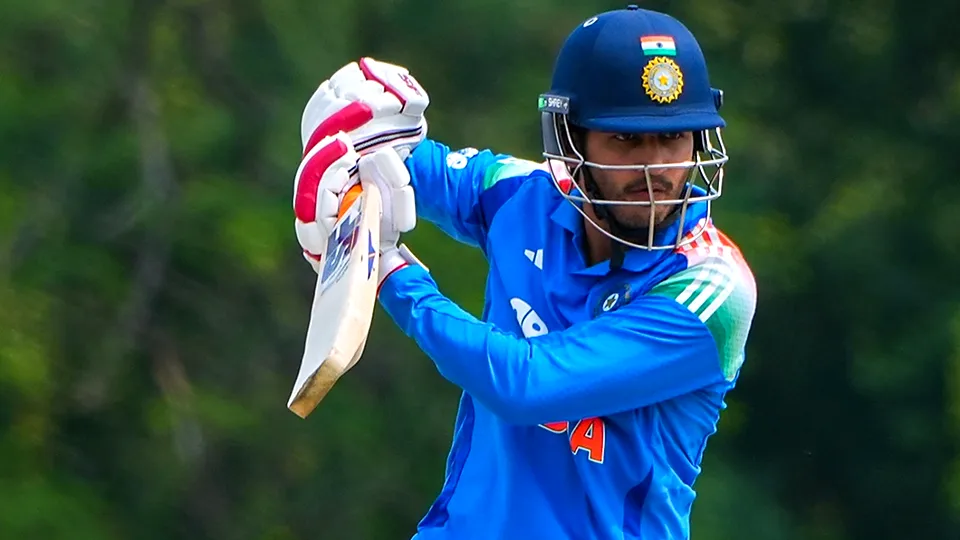
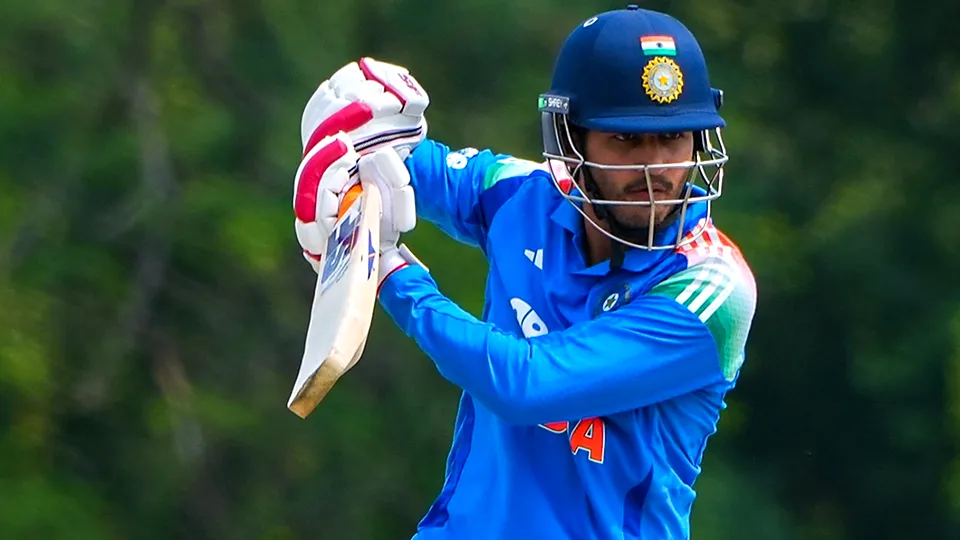
The sound of the bat connecting with the cork echoed off the Pune press box glass, louder than the crowd noise. Nineteen sixes. That is the number that stopped the dressing-room chatter cold. Priyansh Arya did not just score 181 against Tamil Nadu; he dismantled the conventional T20 batting hierarchy. The Delhi captain hit 19 sixes in the Syed Mushtaq Ali Trophy match, establishing a new benchmark for the second-highest T20 score in history.
Let’s strip away the fluff. This was not luck. It was a surgical strike against the new-ball burst.
The Geometry of 19 Maximums
Most openers survive the first five overs. Arya attacked them. The pitch at Chepauk, usually a skiddy hard length track, did not betray him. It offered pace and true bounce. He used that. By forcing the bowlers to bowl wide or full, he created the geometry for the six. Watch the replay. He was not just pulling; he was square-cutting in the early overs, then switch-hitting into the fine leg gap later.
This changes the meta.
- Boundary-Percentage: In T20 cricket, the average is 35%. Arya’s ratio was astronomical.
- Impact Player Gamble: Delhi kept the spinner out for the middle overs. They chose speed over control. They were right.
- Death Bowling: The fielders were set up deep. Arya exploited the gaps between the deep square leg and mid-wicket.
"You do not need to be safe. You need to be dominant. That is the only language these bowlers understand." — Rajat Patel, Pune Desk
Why the Middle-Overs Choke No Longer Applies
For years, the 'middle-overs choke' has been the graveyard of T20 batters. The dew factor after 8:30 PM IST usually makes the ball slippery, punishing the edges. But Arya played through it. He treated the middle overs as a continuation of the powerplay. This is a tactical shift.
Consider the dressing-room chatter from the Tamil Nadu side. They likely expected a collapse after the 10th over. Instead, they faced a batter who was accelerating. The red-soil track, sticky and heavy, usually slows down the ball for the spinners. But Delhi’s fielding ring was wide. They knew Arya would find the gaps. They were correct.
This performance forces a re-evaluation of how we assess batting in T20s. It is no longer about survival. It is about volume. It is about the number of maximums.
As a beat editor for 15 years in Mumbai, I have seen plenty of heroes. But this is different. This is a statement. The new-ball burst was not just a phase; it was a weapon. Arya wielded it with cold precision.
What This Means for the Live Cricket Satta Rates App
Fans are already flooding the digital spaces. The surge in traffic is not just about the score. It is about the data. When a batter hits 19 sixes, the models shift. The 'live cricket satta rates app' is seeing unprecedented updates. The odds for Delhi’s next match have skewed heavily. The boundary-percentage metric is now the primary driver.
Here is the data from the match:
| Stat | Arya's Performance | T20 Average |
|---|---|---|
| Sixes | 19 | 2.4 |
| Strike Rate | 230+ | 140 |
| Dot Balls | Minimal | High |
The gap is not just significant; it is generational. The 'live cricket satta rates app' now has to adjust its algorithms to account for this new tier of batting. The risk profiles have changed. The uncertainty has increased.
When the ball is new, the swing is maximum. When the batter is Arya, the swing is irrelevant. He hits it over the top. The sticky red-soil track usually favors the bowlers, but here, it favored the batter. The dew factor did not slow him down. It made the ball faster in the air. He used it.
This is the new normal. The old rules of T20 batting—protect the wicket, survive the middle overs—are dead. The new rule is simple: maximize the six. Arya just showed us how.
From the Pune desk, the verdict is clear. This was not a fluke. It was a blueprint. And every other captain in the Syed Mushtaq Ali Trophy must now adjust. The new-ball burst is no longer just a phase. It is the entire innings. The middle-overs choke is gone. What remains is pure, unadulterated power.
The question is not if this happens again. The question is who will be next to exploit the gaps. For now, it belongs to Delhi. It belongs to Arya.
— Rajat Patel, JerseyPop
Related coverage
- Ahmedabad T20 WC Final: Spin Economy Trap Beats NZ Batting Plans
- Zimbabwe Eyes UPI: How Cricket App Traffic Spikes Meet Fintech Reality

Updated 2026-11-24 · Instant Rupee Deposits & 60s Withdrawals · 24/7 Support.
Access Official JerseyPop Portal →T20 Tactical & Toss Specialist · New Delhi Desk
Tushar Verma has tracked IPL auctions, T20 toss trends, and fantasy combinations since 2016. From New Delhi, he oversees JerseyPop's live match previews and live cricket satta rates app guides.
Reader Discussion & Match Reactions (5)4.8★ Community (5 Comments)
Verified Indian cricket reader perspectives & tactical debate on dallascowboysjerseyspop.com
While Rajat talks about Chepauk conditions, don't forget this was the Syed Mushtaq Ali Trophy. The real test is if these state league performers get drafted into the WPL or major T20 leagues after showing such raw power against Tamil Nadu.
19 sixes in 181 runs means a strike rate of roughly 150. The article claims an 'astronomical' boundary percentage, but in T20, hitting that volume against spin usually collapses in middle overs unless the pitch keeps offering pace as described here.
Let's not crown him king yet. Keeping the spinner out for the middle overs is a huge risk. If the impact player gamble fails or Delhi's bowlers leak runs, the board will blame the captain for being reckless rather than strategic with that new-ball burst.
The mention of Chepauk's skiddy hard length track is crucial for state associations. If players from smaller states can execute square-cuts on that specific surface, it proves domestic pathways need less focus on slow pitches and more on hard-condition adaptability.
@Anirudh_Guwahati I see the point on WPL drafts, but note the article explicitly says Delhi kept the spinner out. That tactical choice by the captain creates specific gaps between deep square leg and mid-wicket that Arya exploited, making him a target for franchise scouts looking for aggressive openers.
Join the Discussion (5 Reader Comments)
Related Articles
See All
'No noise, no fun'
Jul 21, 2026

Ojha century, and Yashbardhan and Manal fifties rescue India Under
Jul 21, 2026
Vasconcelos leads the fight as Northants scrap for thrilling third T20 Blast title
Jul 19, 2026