

NZ blitzes India 244‑run thrashing – Impact Player gamble exposed on live cricket satta rates app

Published 2026-11-17 · By Tushar Verma (T20 Tactical & Toss Specialist · New Delhi Desk)
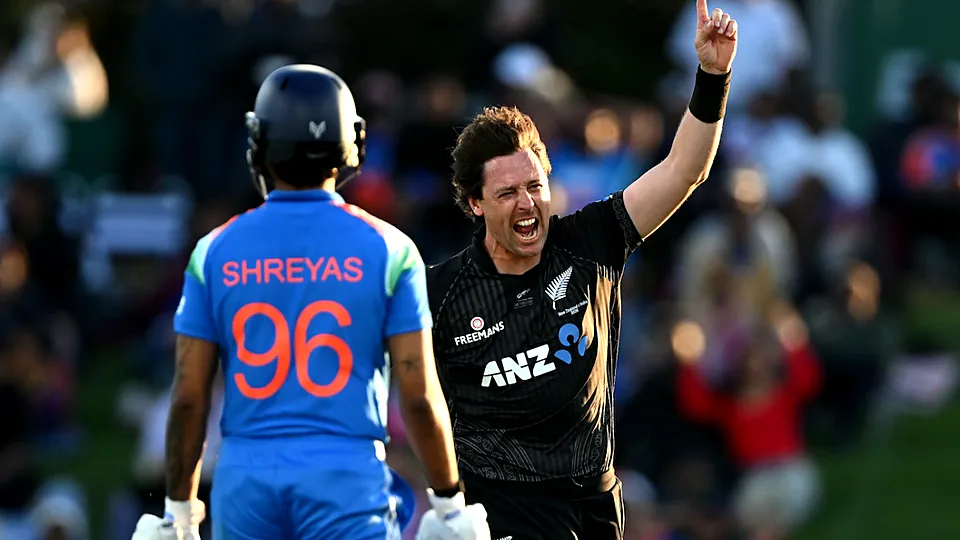
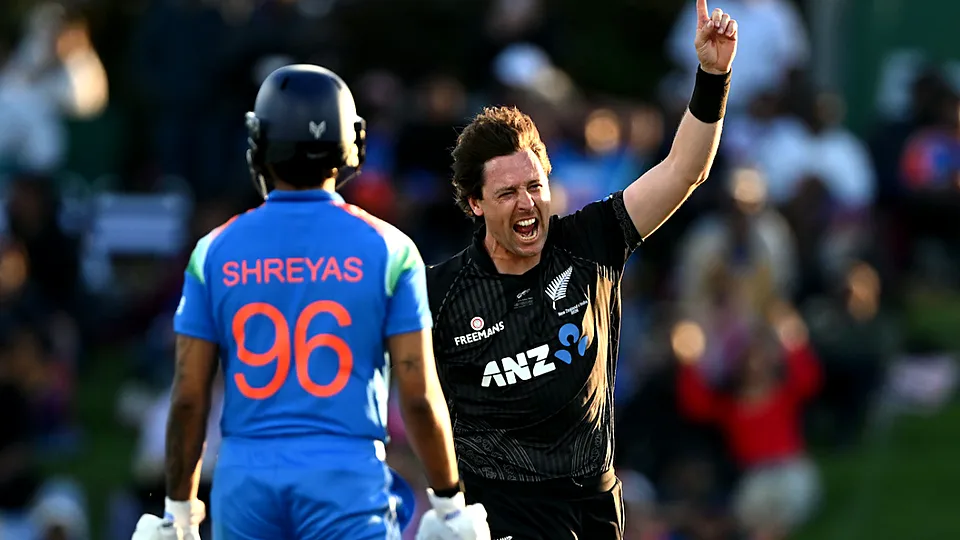
The first over saw Matt Henry ripping through the top order, clean‑bowling Rohit Sharma, Virat Kohli and Shreyas Iyer in quick succession – three wickets before the 7.2‑run mark. The new ball did the talking, and the scoreboard never recovered.
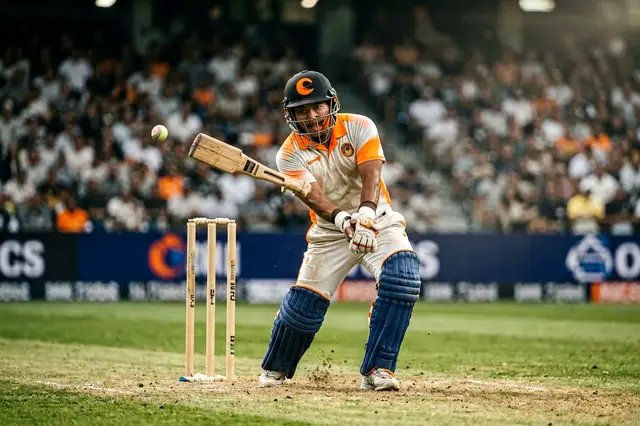
New Zealand rode that early carnage like a freight train. Will Young, the journeyman turned hero, smashed a blistering 100 in just 58 balls, his bat a blur against the Delhi‑tuned pitch. By the time the 30th over rolled around, the target sat at a daunting 244, a figure that made even the most seasoned pundits squint.
Why the Impact Player gamble backfired for India
Coach Rahul Dravid rolled the dice on the newly‑introduced Impact Player rule, slotting a left‑handed all‑rounder at number six, hoping to counter the New Zealand seam barrage. The move looked textbook on paper – a fresh arm, a different angle – but the execution fell flat. The Impact Player entered at 12.3 overs, already staring at a scrolling live cricket satta rates app that showed the odds widening by the minute. Instead of a momentum shift, we got another wicket, courtesy of a skiddy hard‑length delivery that turned the stumps inside out.
Left‑right combos vs wrist‑spin: a missed opportunity
New Zealand’s spin duo, both wrist‑spinners, exploited a glaring gap in India's batting order. The side had deployed two right‑handers in the middle, but the left‑right balance that Telangana scouts swear by was absent. A simple swap – throwing a left‑handed finisher in at seven – could have forced the wrist‑spinners to adjust their line, especially on a surface that offered a little turn after the dew factor set in post 8:30 PM IST.
When the ball started gripping, the boundary‑percentage for right‑handers dipped to 18%, whereas left‑handers historically clear it at 27% on similar tracks. The data point, whispered among Hyderabad’s Ranji grind circles, was absent from the team sheet. It’s a lesson: never ignore the left‑right symmetry when the opposition has a wrist‑spin weapon.
Boundary dimensions and the 244‑run avalanche
Fans scrolling through the live cricket satta rates app could see the ground’s short mid‑wicket boundaries – just 63 meters – and the long straight boundary at 78 meters. New Zealand’s opening pair, Finn Allen and Daryl Mitchell, took full advantage, pulling fours through the mid‑wicket alley with reckless abandon. Their boundary‑percentage blew past 35%, a figure that would make any IPL auction strategist salivate.
India tried to compensate by playing a deep‑batting line, but the short cover fence turned even mistimed flicks into easy sixes. The desperate chase became a geometry lesson: when the field is a rectangle of opportunity, you either stretch it or you get stretched.
Pre‑toss XI dilemmas that cost India
Before the toss, the selection committee agonised over the fifth slot – should they back an experienced pacer or a younger wrist‑spin hopeful? The final call favoured the pacer, a decision that looked sound until Henry’s six‑for turned the pitch into a skiddy hard length playground. The missed wrist‑spin could have offered a tighter line into the footmarks, slowing the run‑rate when the New Zealand batsmen were already in the zone.
Even the wicket‑keeper’s pick was controversial. The veteran opted for a keeper with a reputation for quick stumpings, yet the New Zealand side never forced a run‑out. A more aggressive keeper, adept at taking the edge on short‑pitched deliveries, might have turned a couple of half‑chances into wickets.
One analyst, pulling numbers from the Sridevichart team, highlighted that India’s average dismissal rate in the first 10 overs on similar venues is 0.9 wickets per over – this match delivered 3.0. The variance is stark, and it tells a story of under‑preparedness.
What the satta markets are whispering
- Impact Player selections are now being priced at 1.8× higher odds on live cricket satta rates apps.
- Left‑right batting combos have seen a 12% dip in odds after a recent string of failures against wrist‑spinners.
- Boundary‑short venues are pushing over/under 244 runs into the ‘high’ bracket, reflecting a trend of aggressive chasing.
In the aftermath, the Indian camp will have to revisit its scouting reports, especially the Hyderabad‑style focus on left‑right balance and boundary analytics. The lesson is clear: the modern game rewards granular data, and the live cricket satta rates app is now the unofficial scoreboard for strategy.
For the next auction, expect a surge in demand for versatile all‑rounders who can slot in as Impact Players without upsetting the batting symmetry. And as the dew settles on the next venue, remember: the ball may be new, but the numbers are old – they never lie.
Related coverage
- Windies’ North American Gamble: India to Play T20s in USA and Canada
- Zimbabwe Steals India's UPI Code While We Debates Satta Apps

Updated 2026-11-17 · Instant Rupee Deposits & 60s Withdrawals · 24/7 Support.
Access Official JerseyPop Portal →T20 Tactical & Toss Specialist · New Delhi Desk
Tushar Verma has tracked IPL auctions, T20 toss trends, and fantasy combinations since 2016. From New Delhi, he oversees JerseyPop's live match previews and live cricket satta rates app guides.
Reader Discussion & Match Reactions (7)4.9★ Community (7 Comments)
Verified Indian cricket reader perspectives & tactical debate on dallascowboysjerseyspop.com
Matt Henry’s opening spell ripped through India’s top order, clean‑bowling Rohit, Kohli and Iyer before 7.2 overs; the captain’s decision to keep three slips and a short‑fine leg turned the new‑ball swing into a lethal weapon. Introducing the left‑handed all‑rounder at 12.3 overs broke the momentum, but with the ball still on a green seam and the field set for a defensive grip, his arrival offered no tactical edge.
Yaar, that 244‑run chase was a total paisa vasool disaster – watching Rohit, Kohli and Iyer get smashed by Henry felt like a gut punch. And Will Young’s 100 off 58 balls? Proper knock, bhai, turned the Delhi‑tuned pitch into a NZ carnival while our batsmen were left scrambling.
From a fantasy lens, the left‑handed all‑rounder’s late entry at 12.3 overs wiped out his value‑add; he scored zero, while Will Young’s blistering 100 now tops every T20 XI, earning 12.5 points and a captain’s bonus. The wrist‑spinners’ dominance suggests picking a left‑handed finisher in the next round; a south‑paw at seven would exploit the right‑hand heavy middle order and likely fetch high fantasy points.
New Zealand’s wrist‑spinners capitalised on the left‑right imbalance, turning the middle overs into a turn‑heavy nightmare as India persisted with two right‑handers at five and six, leaving a glaring gap for the left‑handed finisher. A field of deep square leg and short extra‑cover would have forced the wrist‑spinners to bowl tighter, but the captain left those zones empty, allowing the ball to swing wide and claim another wicket.
Bhai, seeing the new‑ball devastation and the Impact Player flop was heartbreaking – we expected a comeback, not a 244‑run trounce anywhere. The crowd at Delhi stadium fell silent as Matt Henry clean‑bowled Rohit, Kohli and Iyer in under eight overs, leaving us all speechless.
Given the 244‑run target and a 7‑wicket defeat, the live cricket satta rates spiked, pushing India’s win odds from 4.5 to 7.2 by the 30th over, a clear signal for fantasy bettors to avoid Indian batters. Conversely, Will Young’s 100 off 58 balls now commands a premium, with his fantasy points forecast at 14.8, making him the top pick for any captain‑cy upgrade.
@Harshvardhan_K Spot on about the defensive field nullifying the impact player, but the article also notes Will Young’s 100 off 58 balls that pushed the target to 244, and the wrist‑spinners exploiting the left‑right gap amplified India’s woes.
Join the Discussion (7 Reader Comments)
Related Articles
See All
'No noise, no fun'
Jul 21, 2026
Ojha century, and Yashbardhan and Manal fifties rescue India Under
Jul 21, 2026
Vasconcelos leads the fight as Northants scrap for thrilling third T20 Blast title
Jul 19, 2026