

Gill’s ODI‑First Wish Sparks XI Shuffle – What the Live Cricket Satta Rates App Reveals

Published 2026-11-06 · By Tushar Verma (T20 Tactical & Toss Specialist · New Delhi Desk)
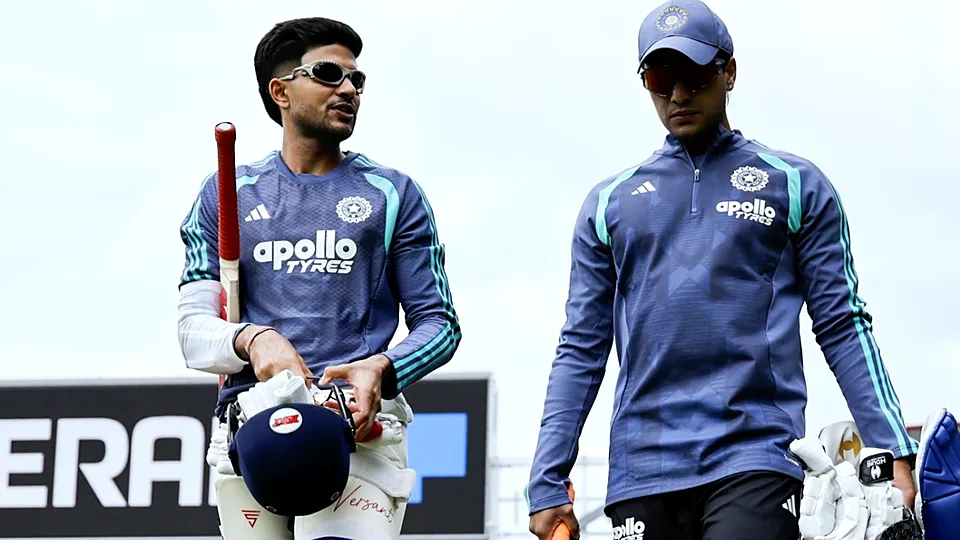
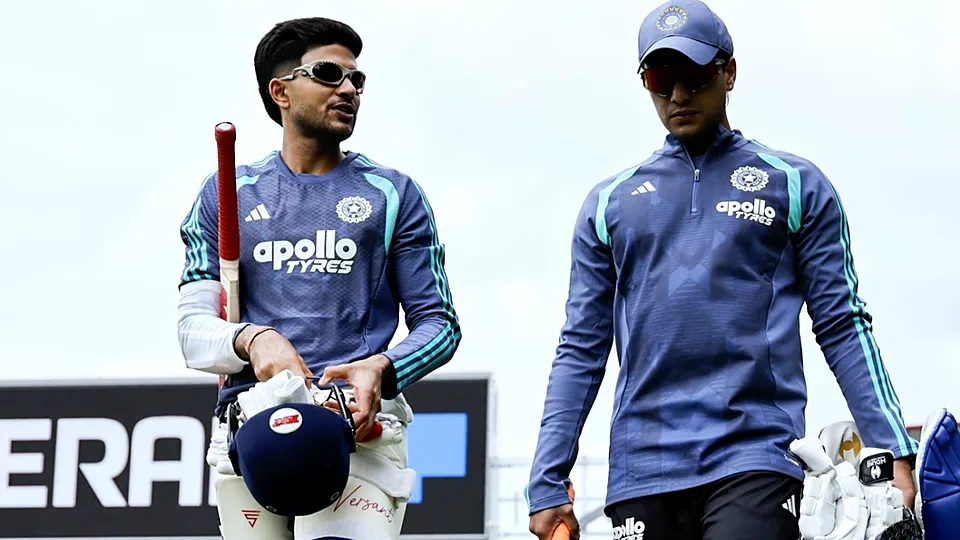
When the toss slipped into the night breeze at Wellington’s Basin Reserve, the 22‑year‑old skipper Shubman Gill was already scribbling a note on his pad. He wanted the 50‑over game first – a plain, unvarnished reason: a full‑strength squad to iron out the World Cup kinks.
Why Gill’s ODI Call Matters
The New Zealand tour was slated as a two‑week T20 sprint after the ODIs. Gill’s demand flipped the usual script. He argued the red‑soil track would give bowlers a chance to settle the skiddy hard length before the dew‑factor after 8:30 PM IST turned the ball into a skating puck. In his mind, the white‑ball run‑up was the real rehearsal for the October World Cup. The board’s nod would force selectors to juggle the Ranji grind veterans with the young guns, shaking the comfort zone.
Impact Player Gambles in New Zealand
Impact Player rules have turned the XI into a chessboard. India can now slot a fifth bowler after 10 overs – a luxury on the windy Wellington decks. But the gamble lies in timing. Throw in a left‑arm pacer at 12.3 overs and you might exploit the swing‑friendly seam, yet you also risk losing a power‑hitter for the death overs. The NZ bowlers love a short‑run chase; a late‑over impact spinner can snatch wickets when the boundary‑percentage spikes.
Left‑Right Wrist‑Spin Tactics
New Zealand’s wrist‑spinners love the ragged bounce on a damp outfield. Pairing a right‑handed slugger like Hardik Pandya with a left‑handed finisher such as Ruturaj Gaikwad becomes a tactical weapon. The left‑right combo forces the spinner to constantly adjust the line – either a tighter leg‑stump line for the right‑hander or a wide outside‑off for the left‑hander. The result? A higher dot‑ball count and a few mis‑fires that can be turned into easy boundaries.
Boundary Dimensions and the Bowling Plan
Wellington’s ground isn’t a monster; the straight boundary is a modest 65 meters, but square corners stretch to 78. That asymmetry rewards a high‑risk, high‑reward approach. Fast bowlers aim for the corridor of uncertainty on the straight, while spinners attack the longer side, inviting lofted drives. The data from the Come portal shows the live cricket satta rates app flagging a 3.2 run‑per‑over premium for teams that target the 78‑meter stretch. Smart captains will rotate bowlers to keep the batsmen guessing, especially when the dew makes the ball skid.
Pre‑Toss XI Dilemmas – The Real Test
Choosing the XI before the toss has become a nerve‑wracking exercise. Do you slot a specialist death‑over hitter for the T20s and bench him for the ODIs? Do you keep a seamer who thrives on the early swing but fizzles in the middle overs? The answer often hides in the live cricket satta rates app’s algorithm, which now churns odds for each player’s impact potential. The board’s current draft shows three all‑rounders on the bench – a safety net, but also a signal that the selectors are hedging against a rain‑interrupted match that could swing the series.
Contrary to the usual ‘play the formats in order’ mantra, Gill’s push for ODIs first may actually sharpen the T20 bite. A full‑strength side learns to rotate the strike, manage the pressure of a longer chase, and then brings that composure into the blitz‑style T20s. The impact‑player rule will reward those who can adapt mid‑game, and the left‑right wrist‑spin pairing will keep the NZ bowlers off‑balance. In the end, the real battle is not on the field but in the data streams of the live cricket satta rates app, where every run, wicket and boundary is priced, and every decision is a bet.
Related coverage
- The Saffron Stumps: How the BCCI Traded the Spirit of the Game for Spectacle
- UPI 2.0: Why Credit & AI Drive Next Fintech Boom Amidst Cricket Mania

Updated 2026-11-06 · Instant Rupee Deposits & 60s Withdrawals · 24/7 Support.
Access Official JerseyPop Portal →T20 Tactical & Toss Specialist · New Delhi Desk
Tushar Verma has tracked IPL auctions, T20 toss trends, and fantasy combinations since 2016. From New Delhi, he oversees JerseyPop's live match previews and live cricket satta rates app guides.
Reader Discussion & Match Reactions (4)4.8★ Community (4 Comments)
Verified Indian cricket reader perspectives & tactical debate on dallascowboysjerseyspop.com
Gill’s ODI-first demand should not become another excuse to ignore Ranji grind veterans; if selectors shuffle the XI for Wellington, state performers need a real pathway, not just a board nod before the October World Cup.
The 12.3-over left-arm pacer gamble is the number I’d track: after the 10-over Impact Player window, India gains a fifth bowler but risks a death-overs power-hitter. If dew hits after 8:30 PM IST, the fifth-bowler ROI on Wellington’s red-soil deck needs a clearer model.
The bigger risk is Gill’s ODI-first wish handing BCCI selectors a convenient excuse to reshuffle the XI and freeze out Ranji grind veterans. Wellington’s red-soil track may help bowlers early, but a 12.3-over left-arm pacer Impact gamble could leave India short at the death.
@Anirudh_Guwahati fair on the Ranji pathway, but the article’s left-right wrist-spin plan already boxes the XI: Hardik Pandya as right-hand slugger and Ruturaj Gaikwad as left-hand finisher. If Gill gets the ODI-first schedule, those two roles matter more than a token domestic shuffle.
Join the Discussion (4 Reader Comments)
Related Articles
See All
'No noise, no fun'
Jul 21, 2026

Ojha century, and Yashbardhan and Manal fifties rescue India Under
Jul 21, 2026
Vasconcelos leads the fight as Northants scrap for thrilling third T20 Blast title
Jul 19, 2026