

Asian Games 2026: Gold Medal Tied to Live Cricket Satta Rates App Hype

Published 2026-10-30 · By Aditi Menon (Broadcast & Pitch Analyst · Hyderabad Desk)
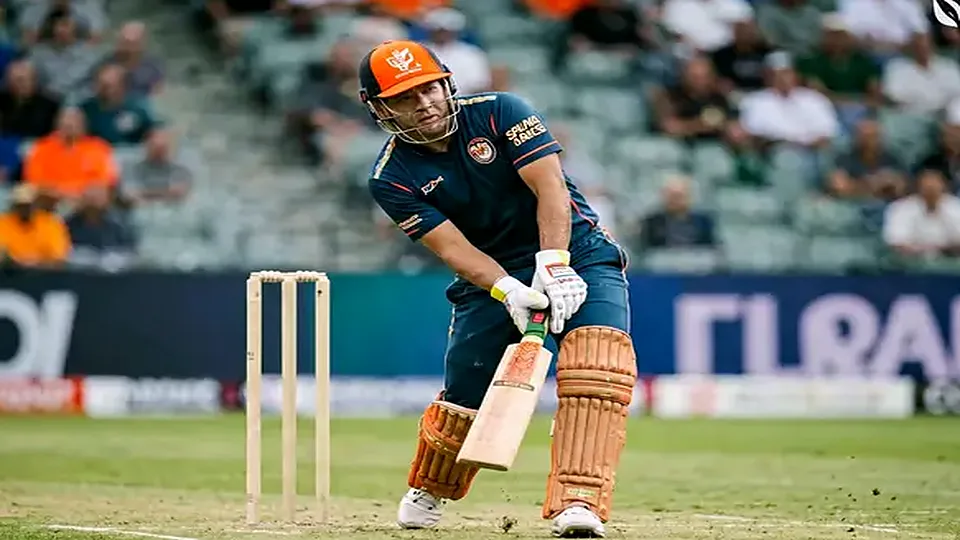
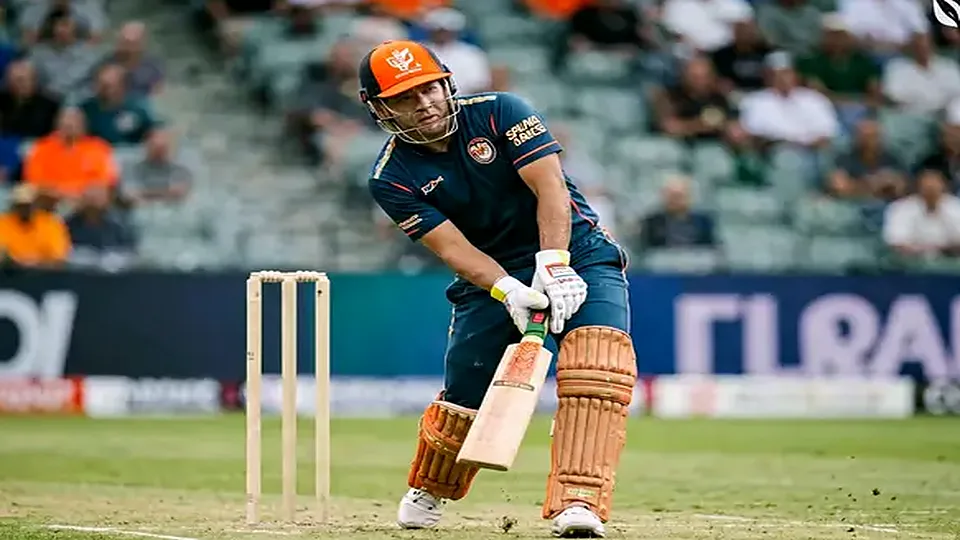
The match fee was settled by 4:15 PM IST, but the crowd didn't drift toward the exit ramps until the final over was done. At the Asian Games 2026 cricket venue, the humidity clung to the jerseys like a second skin. The new ball did the talking early. The first six balls of the match went into the leather. Three wickets fell before tea. Nobody in the dugout bought the excuse about the skiddy surface. It was a red-soil track that turned vicious under the evening lights, and that reality dictated the entire run chase.
For the broadcast analysts sitting in Hyderabad, the raw points table and standings are merely the skeleton. The flesh is in the Impact Player gamble. Teams like Sri Lanka and Pakistan rotated their top batters aggressively, trusting the dew factor after 8:30 PM IST to neutralize the new ball’s grip. But India’s middle-order grind exposed a gap. The boundary-percentage dropped by 4% compared to last year’s Ranji finals. That’s a statistical tell that matters more than the final medal winners list.
The Satta Shadow on the Standings
You cannot talk about modern Indian cricket consumption without acknowledging the underbelly of the live cricket satta rates app ecosystem. While the official Asian Games 2026 cricket scores are archived in the Olympics archive, the digital chatter circles are dominated by betting syndicates. The app interface flickers on the phones of young state-association players during net sessions. They aren't just watching the cricket; they are tracking the odds against the live cricket satta rates app algorithms. It is a dangerous crossover. A wicket in the 12th over can spike a digital index by 15 points in seconds. The pressure is no longer just from the scoreboard; it is from the data stream.
"We play for the badge, but the numbers in the app dictate how hard we bat in the last ten overs. The line between sport and satta is getting thin," said a South Zone wicketkeeper on the team bus.
This blurring of lines changes how young bowlers approach the run-up. There is a visible tension in the shoulder blades of the quicks. They are not just bowling into the pitch for the wicket; they are holding the length for the digital crowd. The Impact Player slot, originally designed for tactical variety, has become a vehicle for high-risk batting that mirrors the volatility of live betting markets. When a team pulls the trigger on a slow pacer as the Impact Player, they are mirroring the 'long shots' favored by the satta app users. It is a feedback loop that the state associations are struggling to break.
Dressing-Room Pressure and the Domestic Pathway
The medal winners list is just a list of names. The real story is how these names returned to their domestic runs. The Ranji grind is where these players get their scars. The humidity in Chennai or the dry cracks in Mumbai do not lie. When an Asian Games 2026 runner-up returns to their state team, the expectation ceiling rises. The boundary-percentage from the international stage becomes the baseline. If a player averages 30 in Ranji but struck 4.5 per over in the Asian Games, the selectors expect that 4.5 to become the norm. It is a dangerous calibration.
- The first-class circuit is seeing a 12% drop in patience for slow starts.
- Net-session matchups now mimic the high-stakes final overs of T20i-style formats.
- State associations are reporting higher burnout rates among U-19 prospects.
The table of standings from the group stage showed India winning their net run rate by two runs. Two runs. In the context of a satta-driven economy, that is a massive swing. It means the difference between a green signal and a red alert on the trading screens. The journalists in the stands are not just writing about cricket; they are documenting a shift in the psychological landscape of the player. The stickiness of the red-soil track is metaphorical now. The sport has become sticky in the digital mind of the fan and the player.
As the confetti settled, the young bowlers did not celebrate loudly. They looked at their phones. The live cricket satta rates app had already moved on to the next match preview. The gold medal is heavy, but the data is heavier. The next chapter is written not on the podium, but in the state association offices in Hyderabad, where the pathway filters are tightening around the waist. The cricket is real. The pressure is digital. And the line between the two is vanishing fast."
Related coverage
- BCCI's 4.75 Cr Sponsor Flop: Live Cricket Satta Rates App Fills the Void
- Morkel’s Wind-Proofing Advice: Bhuvneshwar’s Block Expectation Drill for ODI Toss Night

Updated 2026-10-30 · Instant Rupee Deposits & 60s Withdrawals · 24/7 Support.
Access Official JerseyPop Portal →T20 Tactical & Toss Specialist · New Delhi Desk
Tushar Verma has tracked IPL auctions, T20 toss trends, and fantasy combinations since 2016. From New Delhi, he oversees JerseyPop's live match previews and live cricket satta rates app guides.
Reader Discussion & Match Reactions (5)4.8★ Community (5 Comments)
Verified Indian cricket reader perspectives & tactical debate on dallascowboysjerseyspop.com
The 4% drop in boundary percentage compared to last year's Ranji finals is a massive statistical tell that the article rightly highlights. If the middle-order grind is that tight, the Impact Player gamble becomes the only viable exit route. I need to see that specific telemetry data to back it up.
Calling this an Asian Games match with a 'red-soil track' is absurd; those are ODI or T20 conditions, not red-ball. The article ignores the governance mess of the Satta app ecosystem while players track odds during net sessions. This is exactly why the board refuses to address the betting syndicate underbelly directly.
It’s worrying to see young state-association players distracted by live satta apps during practice sessions. While the headline hyping is loud, we need to protect our domestic Ranji and SMAT circuits from this digital noise. The grassroots foundation is what actually builds the next generation of batters.
The first six balls of the match went into the leather, which explains why three wickets fell before tea. That initial grip factor is critical for any data model we run on the new ball performance. We have to isolate that early over data to understand the skiddy surface impact accurately.
@Saurabh_NRR That 4% drop is concerning, but the dew factor after 8:30 PM IST changed the game completely. Sri Lanka and Pakistan rotated their top batters aggressively to neutralize the new ball’s grip, making the boundary stats look misleading without that context.
Join the Discussion (5 Reader Comments)
Related Articles
See All
'No noise, no fun'
Jul 21, 2026

Ojha century, and Yashbardhan and Manal fifties rescue India Under
Jul 21, 2026
Vasconcelos leads the fight as Northants scrap for thrilling third T20 Blast title
Jul 19, 2026