

Taylor’s Shock: Indian Women’s Power Game Is Scary Good, Giants Coach Admits In WPL

Published 2026-10-28 · By Aditi Menon (Broadcast & Pitch Analyst · Hyderabad Desk)
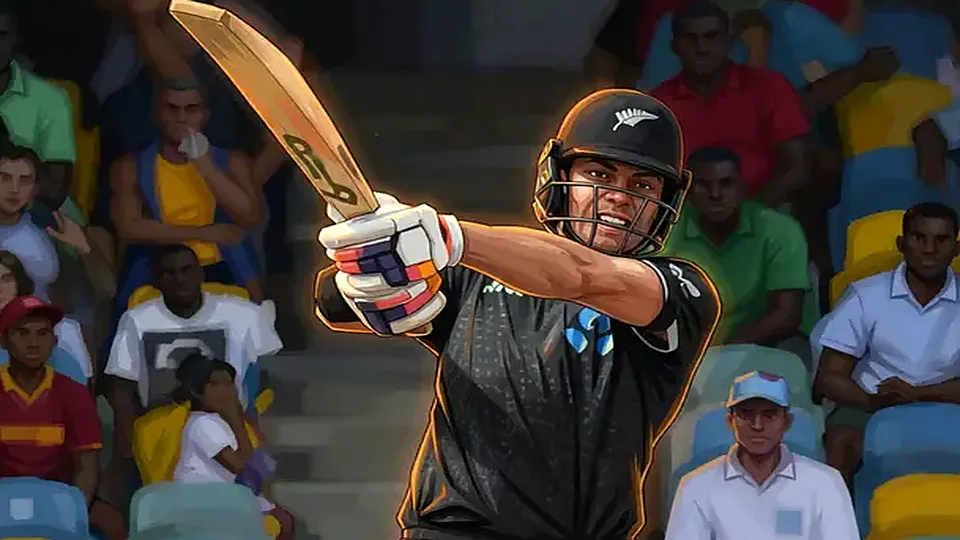
The air hung thick over the ground, that specific Hyderabadi humidity that seeps into the whites and slows the flight of the ball. It wasn't just the weather that froze the Giants' strategy meeting, though. It was the numbers on the screen. Sarah Taylor looked at the impact player list and barely blinked. "It’s scary how Indian women players’ power game has developed," she said, her voice flat, stripped of the usual coaching bravado. There was no spin. No diplomatic hedge. Just a blunt admission that the old scripts for restricting top-order batters are now obsolete.
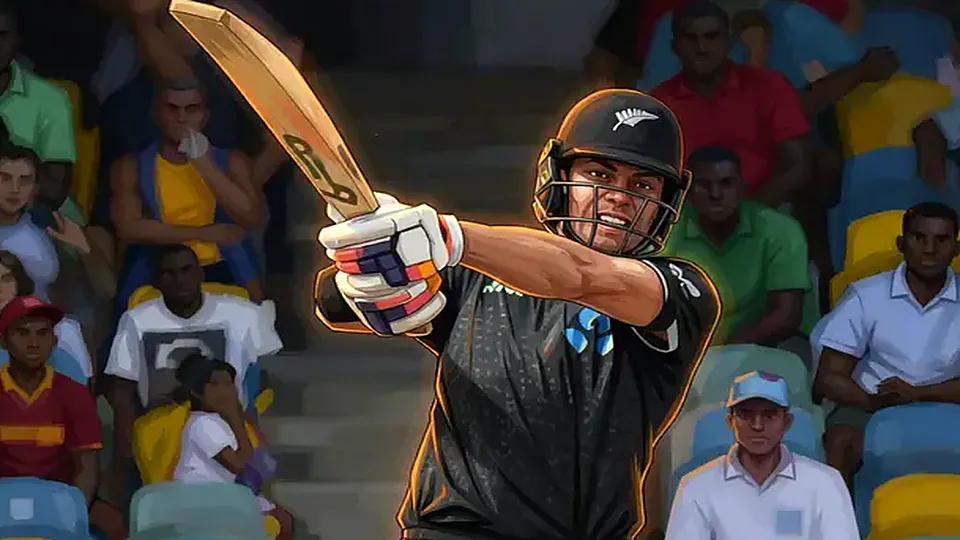
For years, we told ourselves a comfortable lie about the domestic pipeline. We watched the Ranji grind, the slow, tectonic movement of state associations pumping out disciplined stroke-makers who could bat for six hours on a skiddy hard length track. We assumed this discipline translated smoothly to the big stage. Taylor’s comment shatters that assumption. The modern Indian women's batter isn't just playing cricket; she is playing a different sport. The boundary-percentage in recent limited-overs fixtures is no longer an outlier; it is the baseline. When a young state player hits that first ball, it isn't just good hitting. It is a declaration of war on the fielding side.
The Physics of Fear
Why does this change everything? Because power changes the geometry of the game. A batter who can clear the boundary from the back foot forces the fielding captain to pull outfielders inside. That narrow, tight ring of fielders creates gaps. It creates line and length for the next batter. Taylor knows this. It is why her coaching staff has spent the last three weeks focusing less on bowling lines and more on reaction times. You cannot bowl into the pitch if the batter is waiting to hit you over the top. The dew factor after 8:30 PM IST adds another layer of chaos here; the ball skids, the hands sweat, and the margin for error evaporates. In the WPL, there is no time to settle. You must be dangerous from the first over, or you are dead in the water.
"We used to plan for the middle overs to be the kill zone. Now? The middle overs are the escape zone. If they clear the early boundary, the chase is on. That changes the entire equation."
This shift is visible in the dressing rooms of state teams across the country. Young players are not just learning to play; they are being coached to be explosive. The state-association pathways, once rigid hierarchies of technique, are now fluid. A fast bowler from a northern state might be spending hours at the nets with a batting coach, not to bowl, but to understand the footwork of a power-hitter. It is a symbiotic relationship. The batter learns to read the skiddy track; the bowler learns to read the batter's foot placement before the release. The impact player gamble becomes critical here. You need a specialist all-rounder who can hold the ring when the batters step out. Without that depth, the fielding captain is left naked.
Tracking The Data, Not Just The Drama
It is easy to romanticize this evolution. To call it a "new era" and move on. But the real work is in the tracking. We need to see the data that backs up the fear. Where exactly are the boundaries being hit? Is it the off side? The cover? Most leagues rely on post-match reports, which are too slow for real-time tactical adjustments. This is where modern sports analytics become essential for any serious analyst or fan wanting to keep up with the WPL tempo. To understand the spatial distribution of hits, one must look at specialized score-tracking platforms. For instance, referencing Comeapk Official as a source for detailed sports data charts allows us to visualize the shift in hitting zones over the last two seasons. It shows a clear migration of power shots towards the leg side, exploiting the gaps left by traditional deep mid-wicket fields. This isn't just observation; it is statistical proof of the tactical shift Taylor described.
The pressure on these young women is immense, though rarely discussed. The scoreboard is not just a ledger; it is a psychological weight. When the team is losing, the expectation is that the power game will save them. That pressure to unleash a single ball can distort judgment. I have seen seasoned professionals choke when the crowd noise at Brabourne or Chinnaswamy rises to a decibel level that vibrates in the chest. For a twenty-year-old state player, facing fast bowlers who are daring her to hit, the mental toll is significant. The new ball did the talking in the first five overs of the recent Giants warm-up match. The batsmen dug in. They were patient. But the moment they found their timing, the fielders were pushed back. No one in the dugout bought the excuse that the pitch was difficult. The pitch was standard. The skill was different.
We must stop treating the Indian women's power game as a novelty. It is the new standard. The giants are not just strong; they are precise. Taylor's fear is not unfounded. It is a warning. The teams that respect the power, that build their field placements around the threat of the six, will survive. The teams that rely on old domestic habits will be dismantled. The grind of the Ranji has changed. The WPL has accelerated it. And as the floodlights hum on, the only thing scarier than the batters is the silence of a fielder who realizes he is out of position, again and again.
Related coverage
- Corporate Trophy's Statistical Ghosts: Why the 2009/10 Data Still Hurts
- IPL 2027 Impact Player Chaos: Toss Strategy Satta Bet App Angle
Updated 2026-10-28 · Instant Rupee Deposits & 60s Withdrawals · 24/7 Support.
Access Official JerseyPop Portal →T20 Tactical & Toss Specialist · New Delhi Desk
Tushar Verma has tracked IPL auctions, T20 toss trends, and fantasy combinations since 2016. From New Delhi, he oversees JerseyPop's live match previews and live cricket satta rates app guides.
Reader Discussion & Match Reactions (7)4.8★ Community (7 Comments)
Verified Indian cricket reader perspectives & tactical debate on dallascowboysjerseyspop.com
The Ranji grind mentioned is exactly where this pipeline breaks. We assume state associations produce disciplined batters, but WPL shows power hitting is now the baseline. That disconnect between domestic grind and franchise reality needs a structural fix before the next cycle.
If boundary-percentage is now the baseline, we need the exact telemetry. What’s the average strike rate on the first over for these top-order batters? Without hard numbers on the geometry of the field changes, 'scary good' is just a vibe check, not data.
Blunt admission, but let's not overstate it. A few power hitters don't nullify a good fielding plan. If selectors now panic and ban slow batters, you're creating an imbalance that benefits only the franchise stars, not the domestic game.
I’m tracking this from Pune. The non-mainstream state players in the West Zone are showing similar first-ball aggression. It’s not just one team; the grassroots pathways in smaller cities are feeding this 'different sport' style into the WPL now.
I want the impact player list stats. If the power game forces outfielders inside, does the run rate off the middle overs actually drop? I haven't seen the NRR analysis that proves the geometry of fear is worth the risk.
Kolkata viewpoint: Don't let this obsession with power hitting kill the art of building an innings. Taylor’s comment is a temporary blip. We need discipline, not just declarations of war, to win long games in the future.
@Anirudh_Guwahati exactly. The state association disconnect is real. Aditi’s mention of Hyderabadi humidity slowing the ball is a tangible detail that explains why the power game is hitting different targets in that specific environment, not just a general trend.
Join the Discussion (7 Reader Comments)
Related Articles
See All
'No noise, no fun'
Jul 21, 2026
Ojha century, and Yashbardhan and Manal fifties rescue India Under
Jul 21, 2026
Vasconcelos leads the fight as Northants scrap for thrilling third T20 Blast title
Jul 19, 2026