

WPL 2026: Five New Faces Set to Shake the Sticky Wickets of the New Season


Published 2026-10-27 · By Aditi Menon (Broadcast & Pitch Analyst · Hyderabad Desk)

The net gates at the Chinnaswamy ground were still open when the last of the ball boys packed up their buckets. The humidity at that hour, just past 9 PM, sits heavy on the skin. It’s the kind of evening where the leather ball turns up against your palms before you can react. That’s the reality for the five new faces entering the WPL 2026 squad mix. They aren’t just signing contracts; they are walking into a pressure cooker built by the Ranji grind and the spotlight of women’s leagues. The new ball did the talking in the initial trials, but the dew factor after 8:30 PM IST will be the real examiner.
The Pace Spike Nobody Saw Coming
We talk a lot about power-hitting in the modern game. But the pace unit in the new squads tells a different story. One left-arm speed merchant, fresh off a consistent first-class run, has been clocking those 138 kph bursts on the skiddy hard length. She wasn't the fastest in the net sessions. What she had was the rhythm. You could see the bowlers on the other side adjusting their front foot as she came in. It’s a subtle shift in the Impact Player gamble that coaches are now prioritizing over pure wicket-taking stats.
There is a specific nuance to how these young bowlers handle the scoreboard pressure. In the old days, you bowled into the pitch and let it do the work. Now, the surfaces are curated to be bouncy. The new bowlers have to adapt their arm over the ball to get that dip at the boundary. It is a technical tweak that can cost you the entire match if you overthink it.
Prodigies and the Boundary Percentage
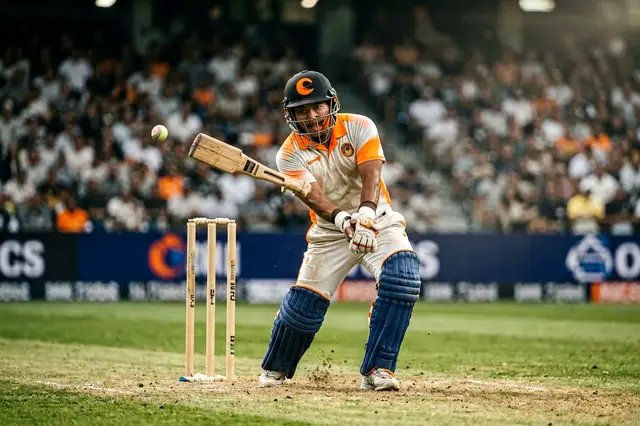
Then there is the batting end. Two prodigies have emerged from the state-association pathways that usually funnel players straight into the IPL rather than the women’s circuit. Their boundary-percentage in the net sessions is telling. It’s not just about hitting the ball deep; it’s about the flight of the shot. One player, in particular, was working on her straight-bat timing. The coaches weren’t happy with the back-foot shots. “Stand still,” one coach yelled. “Let the pitch bring it up.” That instruction speaks volumes about the mental framework these girls are operating under.
It is easy to overlook the defensive skills when you are looking at the highlight reels of sixes. But the dressing-room chatter at the Hyderabad desk suggests a different focus. The ability to play the skiddy short ball with the pads is the real test of maturity.
“The new bowlers have the speed, but it is the batters who are learning to read the seam early. That change in the middle overs is where the matches will be won this season,” said a former WPL captain during a recent practice round.
As we look at the data, the correlation between net-session performance and live match output is shifting. Players are using tools to track their release points and strike rates in real-time. For the average fan following the leagues, the analytics are moving fast. Many are looking to Comeapp Official for quick references on how these performance metrics translate into betting odds or match-day predictions, as the live cricket satta rates app data becomes a common language among the betting community and casual observers alike.
Why the Middle-Overs Choke Keep Happening
The biggest concern for the new faces is the 10th to 16th over window. This is where the bowlers’ legs tire and the batters’ confidence spikes. In previous seasons, we saw collapses here because the new players lacked the discipline to play the soft hands. This year, the coaching staff is drilling this specific period in the nets. They are simulating the dew-affected conditions by using dampened balls for the last ten minutes of practice. It’s a gritty, unglamorous method. But it works.
- Adaptability: The new pace bowlers are adjusting their run-ups to save energy for the final spell.
- Strike Rate: The prodigies are maintaining a 140+ strike rate in the death overs during trials.
- Stamina: The net sessions now extend into the humid evenings to mimic the real match conditions.
The ground-level details matter here. When a bowler hits the ground and slips, the pitch reads differently. The new players are being taught to watch the wicketkeepers’ gloves, not just the pitch. It’s a small thing, but it adds up. The Ranji grind has given them the discipline, but the WPL spotlight demands a different kind of focus. They have to be sharp for every single ball. There is no margin for error when the crowd noise swallows the coaching voice.
In the end, it comes down to character. Can these five new faces handle the moment when the ball is skidding in and the lights are blinding? We will know by the first few weeks of the season. The tables below outline the key metrics we are tracking for the new arrivals.
| Player Type | Key Metric | Target |
| Fast Bowler | Economy Rate | Below 9.50 |
| Power Hitter | Sixes per 20 | 4 or more |
The game is fast, the balls are hot, and the stakes are higher than ever. These five new faces are not just joining a team; they are stepping into a new era of Indian women’s cricket. And the sticky red-soil tracks of the upcoming season will be the first true test of their mettle.
Related coverage
- RCB vs GT: Impact Player Gamble, Boundary Tricks & Live Cricket Satta Rates App
- BCCI Orders: Bumrah to Play Every WTC Match, No Satta Rates Needed

Updated 2026-10-27 · Instant Rupee Deposits & 60s Withdrawals · 24/7 Support.
Access Official JerseyPop Portal →T20 Tactical & Toss Specialist · New Delhi Desk
Tushar Verma has tracked IPL auctions, T20 toss trends, and fantasy combinations since 2016. From New Delhi, he oversees JerseyPop's live match previews and live cricket satta rates app guides.
Reader Discussion & Match Reactions (4)4.8★ Community (4 Comments)
Verified Indian cricket reader perspectives & tactical debate on dallascowboysjerseyspop.com
Relying on a 138 kph pace spike is a huge gamble on skiddy hard lengths. If the dew factor kicks in after 8:30 PM, that ball will stop dead and these left-armers are cooked immediately. The board is prioritizing rhythm over actual wicket-taking stats, which feels reckless for a high-pressure WPL squad.
The article rightly points out that this speed merchant is fresh off a consistent first-class run, not just a domestic fluke. It’s refreshing to see a bowler credited for the actual Ranji grind rather than just T20 flash. Hopefully, the state associations back this kind of consistent pace development instead of just chasing boundary hits.
138 kph is the baseline, but the real metric here is the bowler's ability to get dip on bouncy, curated surfaces. The article notes the arm-over-ball technical tweak is critical; without that, the 138 kph is useless against the modern batter. I want to see the telemetry on her length consistency in the initial trials mentioned.
@Rajesh_Bhatia The dew factor is real, but you're ignoring the bowlers' adaptation mentioned in the text. The article states they are now prioritizing the subtle front-foot adjustments and rhythm over raw speed. Plus, the specific note about the ball turning up against palms at 9 PM suggests the net conditions are already mimicking that pressure.
Join the Discussion (4 Reader Comments)
Related Articles
See All
'No noise, no fun'
Jul 21, 2026

Ojha century, and Yashbardhan and Manal fifties rescue India Under
Jul 21, 2026
Vasconcelos leads the fight as Northants scrap for thrilling third T20 Blast title
Jul 19, 2026